Sunday, June 08, 2014

A Hawkmoth emerges from its cocoon in the ground.

2 comments:
Those of you who follow our blog know that we are keen observers of nature in all its forms including insects. We try and maintain a broad variety of natural habitats to encourage biodiversity and to maintain the natural balance of our plot. We have areas that we leave wild, wood piles, rockeries, ponds and a bog garden, amongst others, to create natural habitats for a range of insects, birds, mammals, amphibians, molluscs and reptiles. Many of our inhabitants can be found on our other blog: Smaller Tales from Toriello.

Smaller Tales from Toriello
We often inspect these areas to see what has taken up residence. One natural resource we rarely think about are the large areas of lawn (grass meadow cut and maintained short). It came as quite a surprise this week to stumble across a Hawkmoth emerging from its cocoon in the ground just near the tool shed. Luis' brother spotted it, just a dark brown head emerging from between blades of grass. By the time I had retrieved the camera from the house the moth was almost out.


A few minutes later, the moth started to expand its wings in the warmth of the afternoon sun. It was about 5cm in length and 3cm across at the base of its wings. We think it was a privet hawkmoth due to the stripes on the base of its body. They feed on, amongst other things, Ash of which we have several surrounding La Pasera.


Gawber the cat (increasingly bored) was curious: what are these humans looking at and is it worth eating?


We protected the moth with a rake and watched from a distance only to find the moth clambering on the rake and resting. We placed the rake in a safe position away from feline eyes and left it alone expecting that it probably would not take flight until dusk or nightfall. Sure enough, the next morning it was gone.


We retrieved the cocoon from the ground out of curiosity and wondered how many more would be emerging around our plot that we will never spot.


We will certainly look out for the caterpillar this coming year and keep our eyes open for other signs of life in all areas of the garden.



Thursday, June 05, 2014

Whales and Dolphins in the Bay of Biscay

2 comments:
We have recently returned from a trip to the UK via ferry. Always preferable to flying (in my opinion), the ferry takes approximately 24 hours from Santander to Portsmouth. I find the journey a little dull, especially when you have made it numerous times. There is on-board entertainment, several bars, a couple of restaurants and a cinema: apart from that there are several decks you can wander and stretch your legs. The saving grace is the probability of spotting a large range of cetaceans.


In the Bay of Biscay it is possible to find a third of the species of cetaceans in the world including many species of whale, dolphin and porpoise. Having made the crossing many, many times over the years I find myself increasingly drawn to observing the vast sea from deck 10 of the ship with the hope of seeing one or more of these beautiful creatures.


This year we were fortunate enough to be accompanied by volunteers from ORCA who are monitoring the bay for cetacean activity, numbers and trends. You can find out more about their work by following the link.


On both the outbound and inbound leg of our journey Luis and I were fortunate enough to see: bottle nose dolphins, common dolphins and pilot whales. The ORCA volunteers and other cetacean spotters spend much more time on deck and are better equipped and dressed to see so much more including Fin Whales, Yellow-fin Tuna, and numerous pods of dolphin and porpoise.


They are not easy creatures to photograph as they dive and skim the surface, darting from side to side, under the bow of the ship and in and out of deep waves. One couple from Portsmouth who regularly do the crossing simply to spot cetaceans estimated that from 7am in the morning until 7pm evening time they had spotted up to 150 dolphins in various size pods and 6 whales... they were however dressed in warm clothing and had a range of equipment with them including GPS, binoculars, scopes and cameras with long, long lenses. Ten decks up, they seem tiny despite the dolphins being 2 meters in length.


There is something rather special about seeing these creatures in their natural habitat and their inquisitiveness brings them near the ship as it traverses the deep shelf that hosts the fish, plankton, krill, octopus and squid on which they feed. It is sad to know that irresponsible disposal of plastic is a major cause of their demise, often mistaking it for food, the cetaceans are slowing killed as their stomachs and gullets are filled with non-digestible and poisonous plastics.


Wednesday, May 21, 2014

The Kingfisher has flown its nest - mosaic

11 comments:
A few weeks ago Luis was asked to design and create a mosaic intended as a gift for a birthday. The brief was: a Eurasian Kingfisher. Working with the people involved they agreed on a design and composition, size (quite large 70cm x 85cm), how it would be constructed to suit the position it was to be hung and what materials it would be made from.

A pencil sketch was used to agree the main design elements but they very much left it up to Luis to interpret their idea.


The next task was to source the appropriate materials, choose the colour palette, prepare the base and plan the construction methods. He decided to use a mixture of marble, limestone and Orsoni Smalti from Italy as this would give him the colour palette he required to capture the beauty of this wonderful bird. Materials were sourced and work commenced.


Mosaic work on this scale and with such detail is labour intensive. Long hours were spent studying kingfishers and refining the design, planning the project, cutting the tesserae and reviewing methods and techniques. The mosaic is worked in reverse so you never know what the finished surface will look like until it has been set, dried and turned.


Once the mosaic is complete, the worrying times commence as cement glue is spread carefully across the surface of the mosaic and onto the cement backing board on which it will be mounted.


Several days later the mosaic is turned, cleaned and closely examined.


The next stage is to grout elements of the picture, seal, polish and generally put the finishing touches to it including a hanging device and more weather-proof sealant and wax.


Phew, all was well and the 130 hours he put into the mosaic was well worth the effort, it looks magnificent. Needless to say the recipients were very pleased with it and will now have the pleasure of seeing it proudly displayed on the wall of their cottage and garden.
There is always a sadness to see such a piece fly the nest but on the other hand there is a sense of achievement and consolation knowing that it is going to a place where it will be cherished.


A big thank you to Jeannot Leenen and Ornella Martens, two mosaic artists from Belgium for their generosity and guidance throughout the project.

Anyone interested in Luis' work can view his range of work here: www.mosaicoslapasera.com

Email: artesanialapasera @ gmail.com (remove spaces)


Sunday, May 18, 2014

Down on the vegetable plot in May

2 comments:
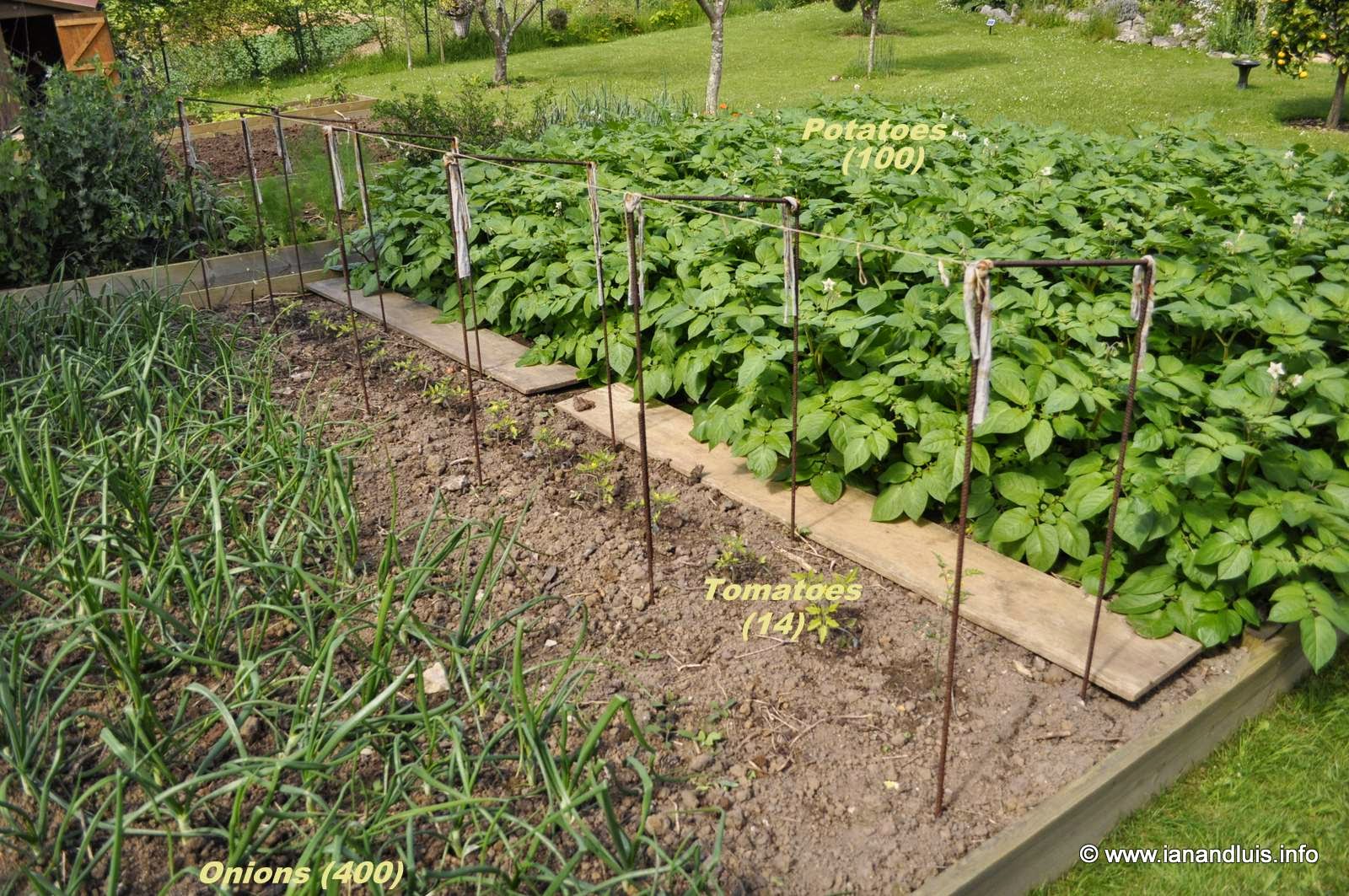
May is a busy month down on the vegetable plot. There are crops to be picked, seedlings to be cared for, compost bins to empty and beds to dig. Not to mention giving the tomatoes and potatoes their aspirin, weeding and caring for the young vegetable plants.


Seedlings grow strong against the south-facing wall of the workshop which has residual heat from the mid-day sun, also given out by the limestone of the rockery.

A lizard basks in the sunshine

The mange tout have cropped and continue to crop well, we have just had the remains of the ruby chard, leeks and fennel, and lettuce and radish are producing daily. Beetroot, spinach and elephant garlic thrive well together and will soon be offering up lots of fresh food we will enjoy.


Slow worms in the compost bins

We work on a crop rotation system that makes the use of our four large beds. Last years brassica bed is now being dug over compost and horse manure added. This bed will take the beans, squash and cucumber amongst other things.


The kohlrabi is swelling and showing off its aubergine coloured body. The 100 early onions are fleshy and ready for using, from the plot to the kitchen. The later onions are growing well and making the most of the few wetter days we had earlier in the month.


In the potato bed we've seen a terrific growth spurt, the tomatoes have been planted and are ready to be semi-covered to keep out the sea mists we sometimes experience at this time of year. Both the potatoes and tomatoes have been sprayed with a weak solution of aspirin to help the plants strengthen their defences against virus and bacteria. Hopefully this will help them resist blight which can be a big problem here once it gets hold.


A solitary bee faces up to the camera


Thursday, May 15, 2014

Should we restore or plant this pine chest?

4 comments:
Each year we demonstrate chair caning, rush work and seat weaving at a street market (Rastrillo) organised to raise funds for charity. Last year we bought an old pine chest for €20. It is zinc lined and fairly intact apart from a piece of wood missing from one of the base rests which can be easily repaired.


It has old woodworm and has been painted white in the past although some of this is now wearing off. The pine is of good quality and I know that if it is stripped, waxed and polished it will make a wonderfully rich, handy little seat with storage for a sheltered spot on the terrace.


Alternatively, I was thinking of leaving it pretty much as is apart from drilling a few holes in the bottom and planting up with a mixture of trailing plants and accessories with the lid propped open - a sort of shabby chic garden planter. I realise that even with the zinc liner, the pine on the base will only last a few years.


I don't particularly want to use and have to dispose of harsh chemical strippers and it would possibly damage the surface if sanded down to remove the paint. I wonder if there is a green paint stripper?

The chest below was my Grandad's tool box and covered in layers of paint and varnish. I restored it many years ago and it has made a characterful coffee table for the lounge. Hmm...what to do?


Over to you....seriously looking for advice and guidance on this one. Maybe you have other ideas...What would you do?

Friday, May 09, 2014

The flower garden in May

4 comments:
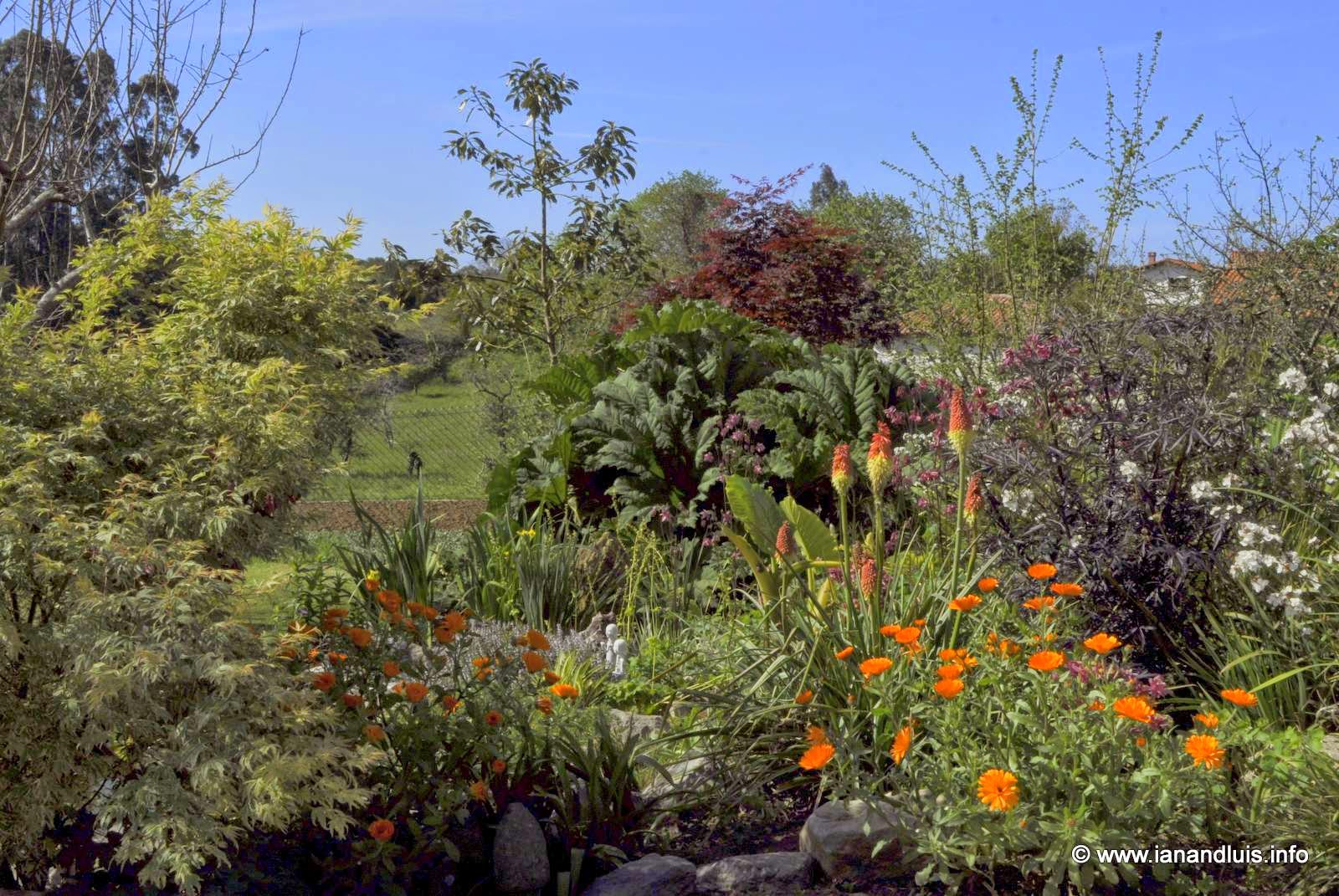
May is generally one of the best months for the flowers here in Asturias. The country lanes and meadows are ablaze with wild flowers and grasses attracting an abundance of pollinators.


The garden has several areas that are given over to flowers, shrubs and trees. We have tried, where possible, to keep the planting scheme low maintenance by using perennials and biennials however foxgloves, other biennials and self seeders do rather make order in the borders impossible.


We aren't expert gardeners by any means and have learnt over the years through trial and experiment, doing and daring. What I hope we have created is a peaceful space which we can enjoy along with the many insects, birds, amphibians and reptiles that will help maintain a balance in our small plot.


The herb garden at the front of the house is coming into its own now the plants are established and we are gathering plenty of rhubarb, fresh herbs for cooking and fresh herbs and flowers for infusions, drying and hand cream.


We use the garden a lot, walking around it several times a day and sitting in one of several areas we have created, each with a different feel and atmosphere. The back garden is tranquil and a great place to sit and take in the views or rest and contemplate, accompanied by the sound of the water fountain, bird song, shadows cast from the setting sun and the distant ring of cowbells.


Don't forget to check out our other wildlife photo blog at Smaller Tales from Toriello

Monday, May 05, 2014

Time to make a luscious tea loaf

8 comments:
The tea loaf is quintessentially British or to be more specific, Yorkshire in origin. No doubt some of you will be screaming "that's not true" at the screen as you read this, but it is, I should know being a Yorkshire man...


There is nothing more luscious, in my opinion, than a slice of tea loaf spread thick with butter served in the shade of a sunny terrace with a cup of strong tea or lemon verbena infusion. Luscious because it has scent is to die for with the aroma of cinnamon, ginger and nutmeg permeating the air as you raise a slice to your mouth and take a bite of the moist, fruit-laden loaf.


It is quite difficult to get dried fruit here in Spain and when you come across it, more often than not it is in small 100gm bags. I usually stock up with dried fruit in the UK and periodically use it to make this lovely afternoon tea treat.


The recipe we use has been adapted to suit our taste and with the reduced sugar, additional spices and earl-grey tea, it has proved very popular with our neighbours and friends who happen to to be around when tea loaf is on offer.

Tea Loaf

These quantities will make three loaves but they freeze well so you don't have to eat them all at once...

225g raisins
225g sultanas
225g currants
50g mixed peel
900ml of tepid Earl Grey tea
250g brown sugar
750g self-raising flour
3 eggs
3 tsp cinnamon
3 tsp nutmeg
1 tsp ginger

Soak the fruit overnight in in the tea. Next day add the flour, sugar, beaten egg and spices, mix well. Spoon into greased or lined loaf tins and transfer to a pre-heated oven 175c /Gas 3 for 60-75 minutes until an inserted skewer comes out clean. Cool and serve with butter and jam to taste.


A true Yorkshire treat made with the finest Yorkshire ingredients... ;-)

Go on spoil yourself...


Thursday, May 01, 2014

Ravaged by wild boar...

5 comments:
Those of you who follow our blog will know we have a trigger camera sited in the wildest area of the garden here at La Pasera. The area is deliberately left to its own devices apart from a quick cut of the wild flowers and grasses after the seed heads have dried. So far we have filmed: Badgers, Pine Martens, Fox, Weasel, Hedgehogs, Birds, Mice, Cats, Deer and Wild Boar. The latest films are the best to date of wild boar activity.


On waking up, the first thing we generally do is to check that the cats are around and then have a wander around the garden with them before breakfast. It's a good opportunity to see what needs attention and what crops can be harvested. As we approached the wild area Luis spotted a small patch of turf lifted next to a clump of wild orchids...a sure sign of wild boar activity.


Then we spotted the devastation. A large patch of meadow in the wild area had been systematically ravaged and decimated. It looked like a plough had been through it with deep troughs and mounds of turf. This was right in front of the night camera so a few good shots were to be expected.


What we saw was quite something. First a large male, working his way through the meadow looking for tasty treats such as worm and bulbs. He was then approached by a smaller female who joined him in his quest for snacks. A few minutes later another female joined in. I was surprised at the length of their snouts and the strength they must have to be able to upturn compacted meadow turf with such vigour.


In total, they worked this small patch of meadow for two and a half hours. As the camera triggers for a minute at a time then re-sets, I had an awful lot of one minute videos to watch. My favourite is this last one in which the male Sniffs the camera, looks at it, suddenly decides enough is enough, grunts and trots off followed by the females one of which turns and also looks at the camera.


Fortunately, there was little damage elsewhere in the garden with only a few vegetables trampled as they had walked through the vegetable plot to get to the wild area. Obviously they are not so keen on mange tout, onions, potatoes or kale... Well let's hope so. There are a few more videos on Youtube.


ANIMALTALES