Showing posts with label Water. Show all posts

Thursday, December 04, 2014

Distractions on a deserted beach

5 comments:
Returning to Asturias after an extended period spent in the UK, one thing I look forward to is walking on one of Asturias' many unspoilt and deserted beaches. Apart from a few weeks in summer the beaches here are peaceful, free from crowds and perfect for letting your thoughts to and fro in rhythm with the ebb and flow of the tide.


We have had lots of wet weather of late and the temperatures have dropped but it doesn't stop us making the most of briefest of sunny spells and seeking distraction on our local beaches.


A walk on the beach is the perfect opportunity to find exciting pebbles, sea glass, driftwood and shells.


The ripples in the sand form tantalising patterns mirrored by the strata of nearby exposed rocks.


Birds fly low along the water's edge and flocks of gulls rest in the warmth of the later afternoon sunshine.


Despite the changing landscape of daily life, there is comfort in walking with the tides as they ebb and flow, taking away deritus and returning unsullied sands ready for the next footsteps to pass by lost in distraction.


Thursday, August 14, 2014

The watering hole - attracting birds into the garden.

No comments:
La Pasera is situated on the edge of a rural village surrounded by fields and meadows. There is little reason for birds to flock to our garden for food as the entire countryside is like an over-stocked larder.
There are plenty of untended fields, hedges, woodlands and meadows from which they can feed.


Water is a different issue. The area is punctuated with limestone outcrops, caves and caverns which results in very little water collecting above ground. In addition, as there are no fresh water supplies in the immediate vicinity (the nearest being Rio Guadamia), in dry periods, water is in short supply for birds.


We have several birdbaths and receptacles dotted around the garden for the birds to use including, 5 free-standing bowls, a garden pond, a half barrel pond and what we call a watering hole i.e. a small shallow lined pond sited in the quietest part of the garden.


The bird baths attract a wide variety of small birds who jostle and fight for position and dominance, usually the blackbirds are the more aggressive visitors, chasing away smaller birds as they approach.


The larger garden birds such as Jays, Green and Lesser Spotted Woodpeckers and Wood Pigeons rarely venture to the bird baths but they do visit the watering hole regularly. Although still nervous and wary, they make the most of the peaceful setting, away from prying eyes and open enough to spot any predators (Wentworth and Gawber).


Here is a short film (4 minutes) we took with the Bushnell camera of our most frequent visitors to the watering hole... See how many you can name, the first two birds are Jays (just to get you started. (The music is by Ian)

Thursday, June 12, 2014

The march of the midwife toads

16 comments:
The midwife toads (alytes obstetricans) are on the move. They were spotted carrying their eggs, navigating the limestone rockery, trailing plants and inquisitive cats. Here in Spain they are currently listed as 'Near Threatened' on the ICUN Red-list (International Union for Conservation of Nature).


We are lucky that the midwife toad is plentiful here at La Pasera, the rockery is a perfect habitat for them as there are many moist crevices where they can hide from the heat of the day. Most of the year we can hear them sing out once the afternoon sun starts to set. Their high pitched whistle-like sound: poo...poo...poo is repeated every one or two seconds and other toads will join in, signalling their presence.


If you are unfamiliar with this toad it may come as a surprise to learn that it is the male of the species that carries the eggs; up to 170 eggs at a time, sometimes originating from different females. They have peculiar mating habits with the female and male engaged in a mating ritual, the male inserting a toe into the females cloacae thereby enabling the release of eggs which he then sticks his legs through, sprays them with urine and sperm and carries them for 3-6 weeks until he finds a safe spot to release the eggs.


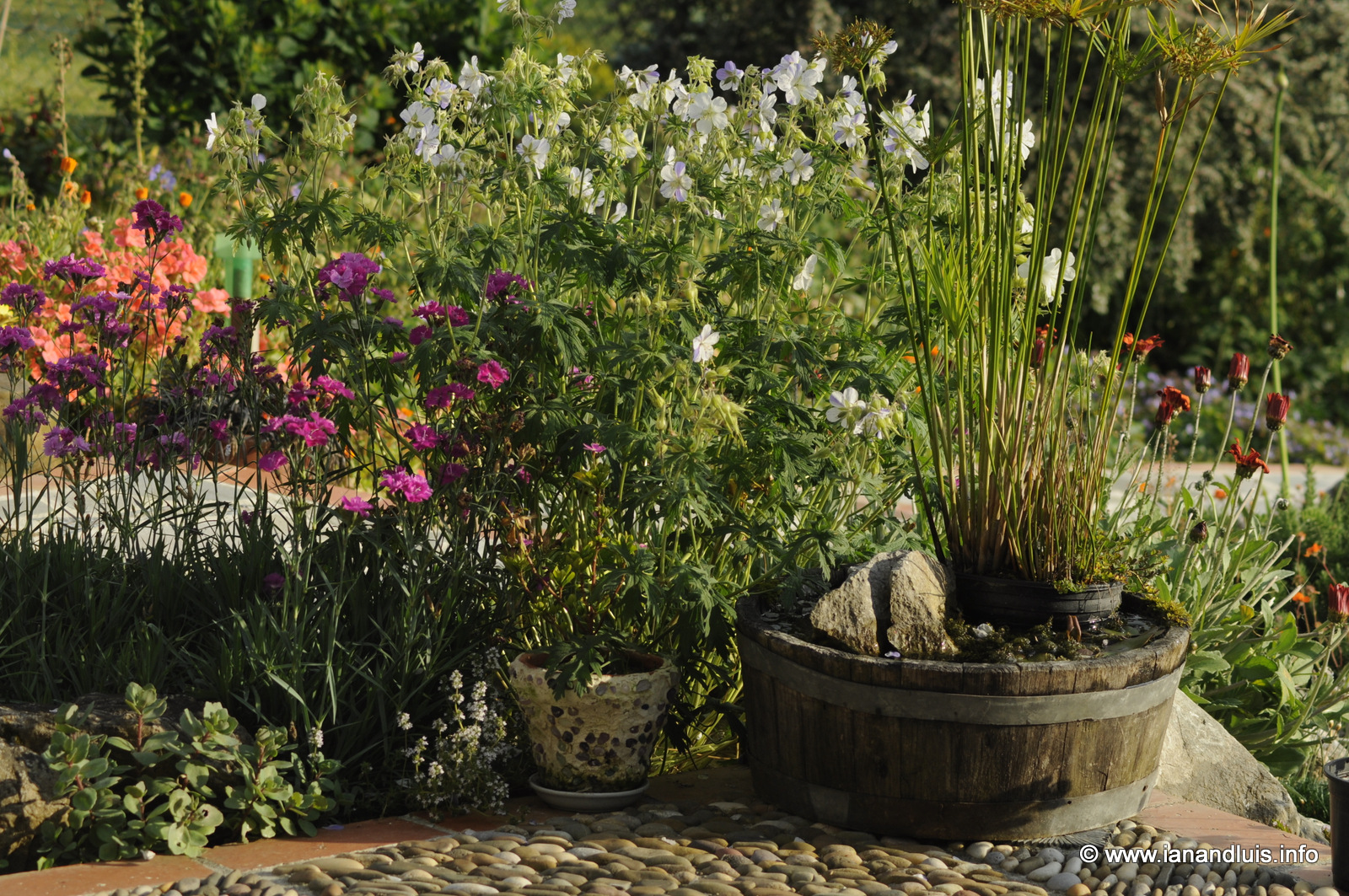
We have several water sources in the garden but the one the midwife toads prefer is a small half barrel filled with water, plants and a rock. It is permanently teaming with tadpoles thereby ensuring the next generations of this wonderful creature.


The midwife toad is small, 4-6 cm in length with the males being slightly smaller than the females. They live approximately 5 years if not consumed by their natural predator, the viper or large birds. Their diet is mainly spiders and beetles with a few flies and worms when available.


Further information can be found here:

IUCN Red-List


ANIMALTALES

Sunday, October 27, 2013

Lazing on a sunny afternoon

2 comments:
Having just been on an extended visit to the UK, I find that returning to Asturias takes a bit of getting used to; slowing down to the pace of life we have here at La Pasera. It seems strange to motor along main roads and motorways alone or accompanied only by a couple of cars or a lorry. It's feels odd to walk through our local town and see very few faces and empty shops and bars, the peace and quiet is a touch unnerving for the first few hours as your hearing re-adjusts to the rich array of sounds from nature. The light bathing the rich green landscapes overloads your optical nerves and is so vivid and vibrant, the autumn light is especially beautiful.


Apart from Internet access, we don't have constant contact with the outside world through TV, radio or newspapers. We don't shop more than once a fortnight or three weeks, we rarely have the need to go to a city for business and we seldom feel the need to experience the buzz of night-life for drinks or restaurants. In fact we lead very quiet lives with little distraction apart from our own pursuits and hobbies, maintaining the land, growing and processing our own fruit and vegetables and the occasional get together with friends and neighbours. Many would find it dull or boring and a few would be driven crazy but for us, it is a little piece of bliss.


My first Sunday, sunny afternoon back in Asturias was lunch on the terrace comprising home-made cream of marrow soup, grilled figs with blue cheese, aubergine pate and a glass of fresh apple juice. A quick catch up with the world news was followed by bottling pickled figs, a new recipe for us from Isobel - thanks Isobel, first tasting gets a big thumbs up. We then took ourselves off to our local beach for a dip in the ocean. We had heard that the water is the warmest it had been all year so we were both up for it. The sky was broken high cloud and at around 24 degrees C it was a really pleasant and comfortable afternoon.


We walked a circuitous route from home through the country lanes to Guadamia, a long and narrow bay that is fed from a small river that originates in nearby mountains. The river flows cold all year round but the warmed waters of the bay of Biscay temper the shock of the cool. We sat on the deserted beach for an hour or so, explored a few caves and then came back via a nearby village to collect more figs; this time for drying in the dehydrator. We stumbled across a large Sweet Chestnut tree and collected a handful of chestnuts which we will roast this this evening.


Back home we had a welcome drink in the garden accompanied by the cats and caught up with the goings on in and around the village...it doesn't take long to re-adjust.

Friday, September 06, 2013

Exploring local beaches and coves in Asturias

8 comments:

One thing we are not short of in Asturias is coastline. With hundreds of beaches and and coves to explore there is never a dull moment if you are into that sort of thing: which we are...


The main tourist season is over and the beaches and coastline are once again quiet apart from sunny weekends and bank holidays. The main tourist season lasts only a few weeks from mid-July to early September with the remainder of summer and autumn being very quiet and peaceful.


Within walking distance we have a half a dozen wonderful beaches and inlet coves which are constantly changing with the seasons, tides and weather conditions. Within 15 minutes drive we have access to another 30 or so beaches and such so as you can imagine there is no shortage of places to walk, explore and enjoy.


The majority of beaches, apart from those located in main resorts, have few facilities such as toilets or showers, chairs or beach gear. Some have surf schools where boards and instruction can be hired. Few have access to a café or bar out of the main season and only the main tourist beaches will have red cross life guards on duty during high season, outside of which there is no-one.


The sea is cool even during summer but I am told you soon get used to it once you've taken the plunge. We rarely swim in the sea and mainly use the beaches for beach combing, exploring rock-pools or dinosaur footprints, walking or just relaxing listening to the ocean.


The Bay of Biscay tends to have a very mixed weather pattern and the sea can be great for surfing or body boarding. There isn't much windsurfing which is a pity as I have RYA qualifications in windsurfing but haven't done it for some years now. Who knows maybe one day I'll squeeze into a neoprene wetsuit and ride the wind once again?


Saturday, May 18, 2013

Water in the garden

2 comments:
As I write this blog post and stare through the raindrops on the study window it all seems a bit pointless to be talking about the need for water in the garden. We have had one of the wettest and coldest springs for a few years, much the same as the rest of Europe from what we see and read.

View out of the study window - a brief spell of sunshine

In the brief spells of good weather it reminds me how important it is to have several aquatic habitats and features in a garden. Whenever the sun does shine through, the birds and insects re-emerge and make use of the various water baths we have around. Blackbirds, goldfinch, greenfinch, sparrows, siskins and many more really enjoy a fresh drink and bath whenever the weather permits.


In addition to the bird baths we have a smallish pond that is home to about 16 or so fish. We started off with 4, 1 died and then three years later we had about 30. Some were transferred to the pond at the Donkey Sanctuary and the rest remained here only to be attacked by our visiting Heron. We thought we'd lost the lot over winter but as the weather warmed, about 16 emerged, seemingly unscathed by their ordeal. 


The pond, surrounding rocks and bog garden also act as a suitable habitat for a variety of garden friendly visitors including frogs, toads, hedgehogs, small and large lizards and, a whole array of insects.


 Once the better weather arrives we will be treated to displays of dragonflies and damselflies as they emerge as nymphs and metamorphose before our eyes on the grasses that border the water.


We have a sawn off barrel on the terrace that is also filled with water, a rock and a couple of water-loving pot plants and occupied by several large toad tadpoles. They are already growing limbs and will soon be on their way, controlling the slug and snail population in the vegetable garden.


We also harvest rain water from the roof of the shed which helps water the vegetables and fruit when the warmer weather hits. All in all, the addition of a few receptacles for collecting water helps create and promote habitats and refreshment for a whole host of animals, birds and insects. Wentworth and Gawber also prefer to drink fresh rain water rather than tap water and can often be found drinking from a variety of bowls and dishes we have around the garden. It always leaves me wondering how unnatural our tap water must be, because given the choice, they will always choose fresh rain water. 


Wentworth at his vantage point in the bog garden