Showing posts with label Birds. Show all posts

Saturday, June 27, 2015

In the still of the night at La Pasera

12 comments:
In the still of the night when we are asleep, the garden continues to host an array of wildlife we rarely see or think about... What happens in your garden at night?


As dusk falls, the birds call out the end of the day before roosting in bushes, trees and crevices. The bats take flight and feast on the abundant mist of midges, flies and moths and the owls fly low from perch to perch in search of mice, voles and frogs. The frogs begin their chatter and the toads sing out loud announcing their presence to passing mates. Meanwhile the snails and slugs exit their daytime refuge and take advantage of the cooler air and dew that settles on the grasses and plants, easing their journey to feast on luscious greens and petals.


Excitement grows for Wentworth and Gawber as they tune in to the music of the night. A rustle here, a flutter there, a call in the distance, both Wentworth and Gawber finely tune their senses to ensure their safety and maintain their territory. A large male stag beetle signals its presence with a loud whirring noise as it navigates the garden only to be chased by two curios and playful cats.


Every so often we sit in the darkness on the terrace and experience the sounds and sights of the night. It is amazing to think that within a few meters, creatures great and small are feeding, travelling to and fro and, on constant alert for friend or foe. It is clear that we only ever experience a fraction of the abundance of life that uses our garden.


Here is a short compilation of night-time infrared videos filmed in the wildest parts of our plot. It features, badgers, deer, fox, pine marten, hedgehog, wild boar, a raton and of course, cats. When we view the films we can often see the reflections of curious cats eyes watching from a distance. The final scene is a lovely reminder that our domesticated cats bridge the life in the garden we know and the life we rarely catch a glimpse of...


ANIMALTALES

Thursday, August 14, 2014

The watering hole - attracting birds into the garden.

No comments:
La Pasera is situated on the edge of a rural village surrounded by fields and meadows. There is little reason for birds to flock to our garden for food as the entire countryside is like an over-stocked larder.
There are plenty of untended fields, hedges, woodlands and meadows from which they can feed.


Water is a different issue. The area is punctuated with limestone outcrops, caves and caverns which results in very little water collecting above ground. In addition, as there are no fresh water supplies in the immediate vicinity (the nearest being Rio Guadamia), in dry periods, water is in short supply for birds.


We have several birdbaths and receptacles dotted around the garden for the birds to use including, 5 free-standing bowls, a garden pond, a half barrel pond and what we call a watering hole i.e. a small shallow lined pond sited in the quietest part of the garden.


The bird baths attract a wide variety of small birds who jostle and fight for position and dominance, usually the blackbirds are the more aggressive visitors, chasing away smaller birds as they approach.


The larger garden birds such as Jays, Green and Lesser Spotted Woodpeckers and Wood Pigeons rarely venture to the bird baths but they do visit the watering hole regularly. Although still nervous and wary, they make the most of the peaceful setting, away from prying eyes and open enough to spot any predators (Wentworth and Gawber).


Here is a short film (4 minutes) we took with the Bushnell camera of our most frequent visitors to the watering hole... See how many you can name, the first two birds are Jays (just to get you started. (The music is by Ian)

Thursday, August 07, 2014

Aliens in the skies...

2 comments:
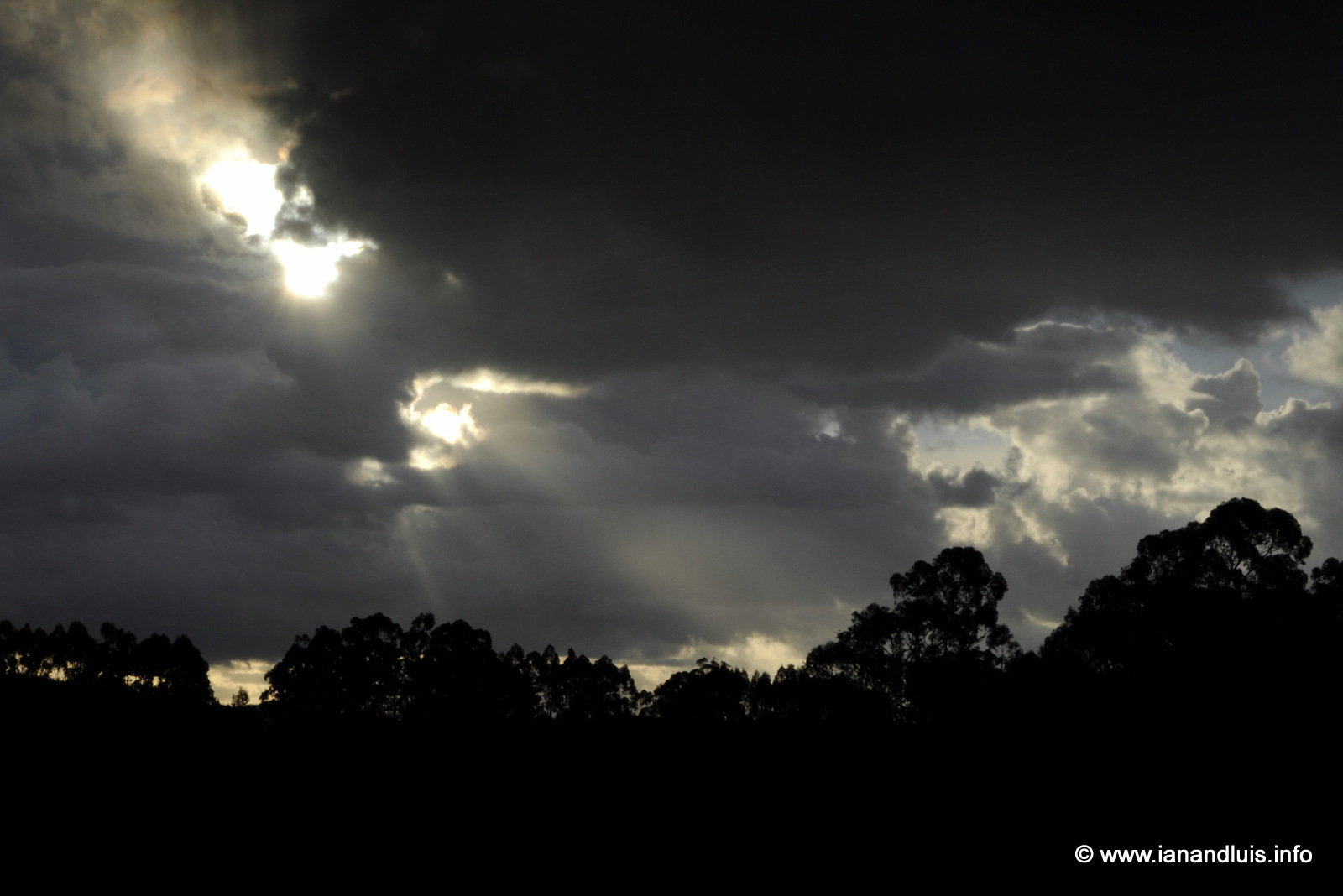
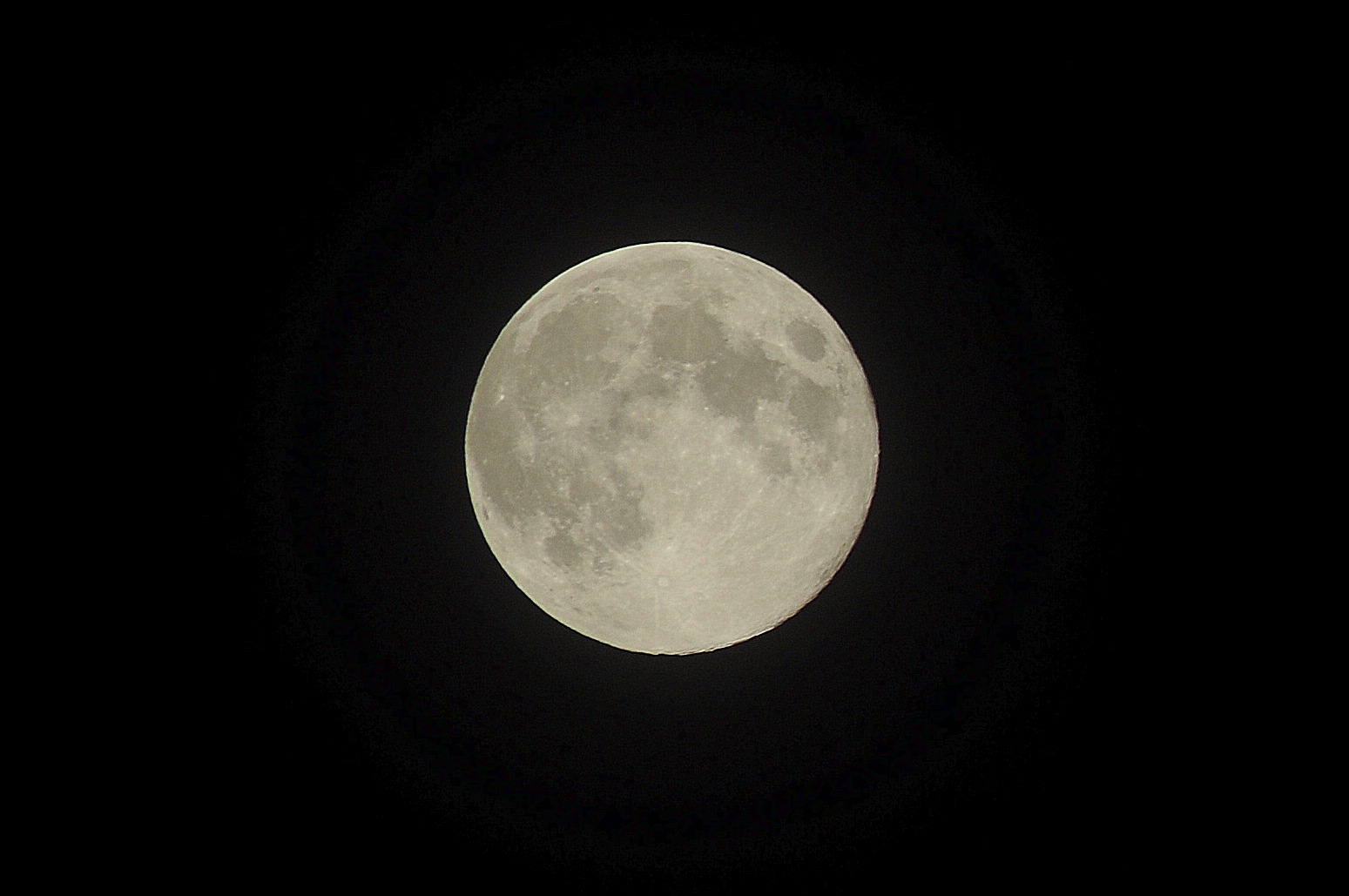
There is nothing more perfect than sat on the terrace on an evening and watching the clouds, setting sun, the darkening sky and eventually the moon and stars appearing.


Living in a rural location, away from major towns and cities means that light pollution in minimal and we often have clear skies that shows off in their full glory, constellations, distant galaxies and planets within our own solar system. On rare occasions we will see what we think is the ISS (International Space Station) or a satellite traversing the sky and if we are very lucky, shooting stars. Sometimes, we might even have spotted UFOs....


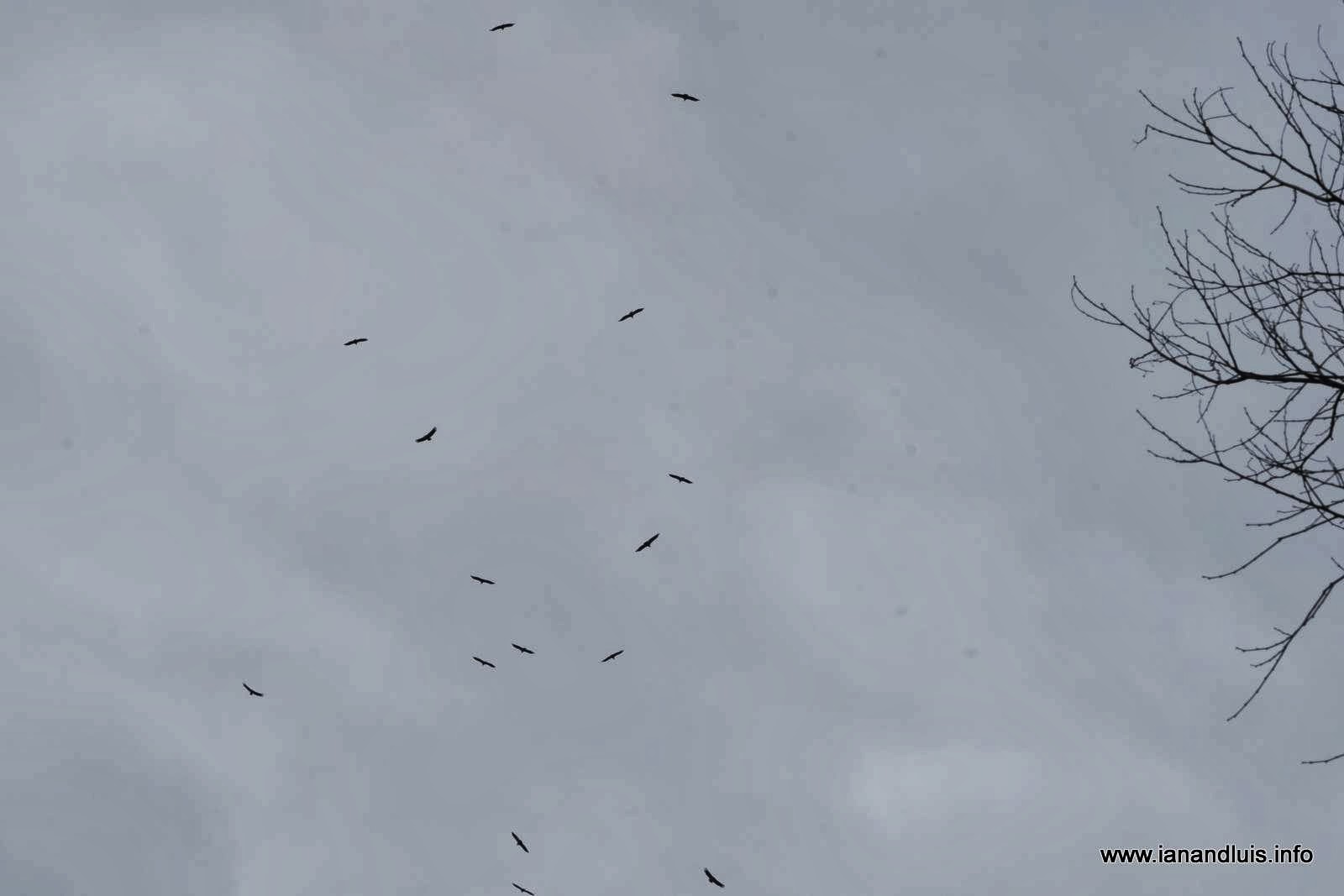
Daytime also brings with it some wonderful sights. Just yesterday we managed to watch a lone Egyptian vulture soar on the thermals and glide freely over the distant hills and mountains. It is unusual to see them this close to the coast but never-the-less a welcome sight.

The large expanse of sky is perfect for spotting birds of prey and we frequently see raptors, flocks of gulls, a murder or two of crows and many solitary bird on the wing.


Light aircraft, helicopters and gyrocopters which use the coastal route for sightseeing or travel between cities on the northern coast. The police helicopters and Fire Service helicopters are also frequent fliers overhead. Commercial passenger jets fly high above on their way to holiday destination, sometimes the only evidence is vapour trails dissipating at 30,000 feet.


The other evening we heard a terrific roar, I couldn't identify what it was but Luis immediately suggested it was a hot air balloon. Grabbing the camera, I hurried outside and sure enough, a large balloon was low in the sky just behind the studio. It became clear that it was descending and and using blasts from the gas tank to nudge the balloon in the direction of a nearby field. With great precision and skill the balloon, it's basket and occupants landed without problems in a neighbouring field.  A wonderful sight to behold but I'm still not sure I would like to go up in one... What about you?


The next time you get a chance to sit for a while and look upwards, you might be surprised at what you see....


Wednesday, May 21, 2014

The Kingfisher has flown its nest - mosaic

11 comments:
A few weeks ago Luis was asked to design and create a mosaic intended as a gift for a birthday. The brief was: a Eurasian Kingfisher. Working with the people involved they agreed on a design and composition, size (quite large 70cm x 85cm), how it would be constructed to suit the position it was to be hung and what materials it would be made from.

A pencil sketch was used to agree the main design elements but they very much left it up to Luis to interpret their idea.


The next task was to source the appropriate materials, choose the colour palette, prepare the base and plan the construction methods. He decided to use a mixture of marble, limestone and Orsoni Smalti from Italy as this would give him the colour palette he required to capture the beauty of this wonderful bird. Materials were sourced and work commenced.


Mosaic work on this scale and with such detail is labour intensive. Long hours were spent studying kingfishers and refining the design, planning the project, cutting the tesserae and reviewing methods and techniques. The mosaic is worked in reverse so you never know what the finished surface will look like until it has been set, dried and turned.


Once the mosaic is complete, the worrying times commence as cement glue is spread carefully across the surface of the mosaic and onto the cement backing board on which it will be mounted.


Several days later the mosaic is turned, cleaned and closely examined.


The next stage is to grout elements of the picture, seal, polish and generally put the finishing touches to it including a hanging device and more weather-proof sealant and wax.


Phew, all was well and the 130 hours he put into the mosaic was well worth the effort, it looks magnificent. Needless to say the recipients were very pleased with it and will now have the pleasure of seeing it proudly displayed on the wall of their cottage and garden.

There is always a sadness to see such a piece fly the nest but on the other hand there is a sense of achievement and consolation knowing that it is going to a place where it will be cherished.


A big thank you to Jeannot Leenen and Ornella Martens, two mosaic artists from Belgium for their generosity and guidance throughout the project.

Anyone interested in Luis' work can view his range of work here: www.mosaicoslapasera.com

Email: artesanialapasera @ gmail.com (remove spaces)


Sunday, March 16, 2014

Blue tits nesting in the garden

2 comments:
We wrote some time ago about making new nesting boxes for the garden. Last year great tits nested as they have done for the past 5 years in the existing box but the two new ones were inspected, but not used. This year however, we have blue tits.

Two new nest boxes sited in 2013

One of the boxes is sited on a very old and leaning cherry tree that we can see out of the lounge window. The other morning whilst cleaning out the stove, I looked up and spotted a pair of beautiful blue tits flitting from branch to branch and eventually one of them, landing on the box and entering with nesting material.


A good minute or so past, the other bird kept watch nearby.


The blue tit re-emerged and spent another 20 seconds or so looking around before hopping out and flying off again only to return a few minutes later.


Having lots of birds around is important to maintain a natural balance in the garden. With a bit of luck, a good brood of chicks and frantic feeding regimes we'll have much fewer of these little caterpillars to contend with in the coming months.


Thursday, February 13, 2014

A road trip along the route of silver part 4:The Vultures of Monfragüe

2 comments:
After spending a few days based in the city we were eager to get out into the wilds of nature once again and relax into our normal pace of life. We had read about the Monfragüe National Park and as it was only an hour away from where we were. We decided to have a day walking in the hope of spotting some birds and wildlife we wouldn't normally see. On our list were: the Iberian Lynx (possible but highly unlikely x 2), Bonelli's Eagle (possible) and the Black Vulture (probable).


The park comprises over 18 hectares of mixed scrub and woodlands stretching along the river Tajo. It has been declared a unique refuge for the most representative Mediterranean wildlife. Driving through the national park, the evergreen oaks were impressive, the slate studded mountains and deep green gorges were worthy of the occasional stop. With binoculars in hand there were many small birds to spot and try and identify.


We parked at the visitor centre in Villarreal de San Carlos, a small village and amenity that is currently undergoing extensive infra-structure upgrade including new paths, road surfacing and car parking. There were a range of leaflets available both in English and Spanish, each detailing walking, cycling, horse-riding and car routes throughout the National Park. We decided we would head for Cerro Gimio in the hope of seeing the Black Vultures (Aegypius Monachus) of which there were reported to be up to 250 breeding pairs. It was only about 8km but we could extend it if we felt like, which in the end we strayed here and there but more or less stuck to the route as there was plenty along the way to keep you occupied.


The trails were well marked (for Spain) and the paths and tracks were is reasonable repair. The landscape was very interesting and so different to what we are used to in Asturias. My only disappointment were the hundreds/thousands of plastic tree guards and poles that were so obvious throughout the landscape on your way into the reserve. These had been placed when saplings were planted some time ago and there seemed to have been  such a terrific failure rate. We wondered if the now defunct tree guards would be left to rot or if efforts would be made to tidy them up?


Along the trail we saw small birds aplenty, we came across two Stags on separate occasions (but too slow with the camera) and many vultures gliding high above. After lunching at the side of a slowly trickling stream, we decided we would climb up to the top of  Cerro Gimio in the hope of closer views of the vultures. Only 372 metres or about 1000ft.


At the top we could admire the twists and turns of the Rio Tajo and spy on the roosting and nesting sites of the vultures way below. We were soon rewarded with fly pasts from many soaring birds, not too close but a much better view than from the valley below. We sat for quite a while and admired their grace and their impressive 8 foot wingspan.


We saw the vultures, we think we saw an eagle but couldn't see in any great details and we missed the Lynx completely, perhaps just as well.


Feeling very relaxed and a bit tired from a great day Monfragüe National Park we returned to our hotel and dined out at a really good Italian restaurant. The remainder of our journey home was uneventful but for the threat of snow as we headed for the mountain pass. Fortunately we made it home in time for dinner and looked forward to being back at home with Wentworth and Gawber who both made no fuss or acknowledged our return other than their usual laid back blink of the eye and flick of the tail....but that's cats.