Showing posts with label Pickling. Show all posts

Saturday, September 26, 2015

The best recipe ever for Piccalilli

No comments:
We love pickles, chutneys, salsas and spicy sauces as accompaniments with a wide variety of foods. Amongst our favourite is Piccalilli however, it has to be home-made. So far I have not found a shop bought version that can come anywhere near the recipe handed down from my great grandmother and probably even earlier.


September views from La Pasera

Each year in September we look forward to harvesting a variety of green vegetables that form the basis of our piccalilli: cucumber, celery, green tomatoes, cauliflower, courgette, onion and anything else that blends in with the mix. The key to a good mix is the fine chopping of the ingredients to ensure that everything is approximately of similar size. The other key components are a specific brand of dry mustard powder (Colman's) and good quality Turmeric.


This is the basic recipe that is tweaked each year to accommodate the vegetables we have available. We usually double these quantities.

Piccalilli

1 cauliflower
1 cucumber
3-4 courgettes
2 lb of shallots or onion
2 lb of green tomatoes
1 head of celery

About 6 lb of vegetable in total. Chop all the vegetables into small pieces. The cauliflower should be broken into small sized florets and if small enough, the shallots left whole. Soak overnight in a brine solution made with 8 pints of water and 1/2 lb of salt.

The following day, drain and rinse well, leave to drain and pat dry with a large clean towel whilst you make the sauce.

4 oz of mustard powder
1/2 oz of Turmeric
1 lb sugar (can be reduced if necessary)
2 1/2 pints of vinegar
1 cup of plain flour

Make a sauce with all the ingredients, thicken with the flour and gently bring to the boil to cook out the flour. Be careful not to burn the sauce, stir constantly. Add the dry vegetables and bring to the boil and immediately remove from the heat. Cover and leave to cool. Bottle and seal in sterilised jars the following day and label.

The piccalilli is best left to mature for at least 3 months but it will keep for over a year if kept in a cool dark place and if your bottles/jars are  sterile on bottling. Hide from everyone except your best friends....


Thursday, September 25, 2014

Preserving, pickling and storing

15 comments:
The effort and hard work that goes into growing our own food is worth it on so many levels. We can be confident that no harmful chemicals, including pesticides and fungicides, were used, we know that the work we put into maintaining good quality soil will reap benefits in relation to plant disease and infestation resistance and, that the final produce is full of micro-nutrients and bursting with flavour.


Typically, we often have a glut of produce at certain times of the year. Whether it be a beetroot, courgettes, soft fruit or root crops, we can always find a way of preserving this valuable resource for use later in the year.


Our main methods of preservation are  pickling, making jams and chutneys, dehydrating, freezing, vacuum storage, air-drying, bain marie and cool storage.


This year we have pickled chili peppers and green walnuts. We will pickle figs and beetroot later in the season.


Our freezer contents include diced root vegetables, soft fruit not yet made into jams, beaten eggs, cooked aubergine, tomatoes, blanched vegetables, various vegetable soups, sliced peppers, various herbs and peas.


We have dehydrated pears, piesco (wild peach), apple, beetroot and figs. These are then vacuum packed and used as energy foods for when we are out walking or trekking.


Chutney and pickle features high on our menus as it is a really useful way of using fresh vegetables. So far we have made Piccalilli, Pear Chutney and Tango Pickle.


Jams either made or to make are piesco, raspberry, fig, orange and mixed fruit. We will also be making membrillo (quince jelly) from fruit given to us by Luis' sister.

We are increasing the number of vegetables we preserve using a bain marie method and so far we have had success with leeks, green beans and peppers. We would love to try more so any suggestions please drop us a line in the comments.


Air-drying includes herbs, nuts, beans and chili.

Our cool storage includes potatoes, squash, marrow, apples and onions. We find that is there is a efficient, dry circulation of air, these crops will last form many months into spring and beyond next year.


We are lucky in so much that we have plenty of storage space and we are able to grow vegetables and some salad crops all year round which reduces the need to preserve foods, never-the-less it is great to be able to scan our storage shelves for ingredients and enjoy the fruits of our labour throughout the year.


Those of you who are involved in your own food production will know only too well the amount of time and effort it takes, many hours spent not only in the vegetable garden but also in the kitchen preparing and processing, but it really is worth it and you can taste the difference when freshness is preserved. A few years ago we wrote about experiences for living a simpler life and how we prepare our own food etc. It has proved to be one of the most viewed and read pieces on our blog with over 800 views. If you want to read it you can find it here:  Downsizing: less is more

What do you preserve, pickle or store? Any tips?


Wednesday, August 27, 2014

Making pear chutney - we love a pickle

No comments:
We love pickles, chutneys and spicy salsas, and most years we will make several types depending on what fruit we have available. This year we had a very poor gooseberry harvest so one of our favourite pickles was out of the question however, we did have a healthy pear harvest.


As with most recipes we adapt them to suit our own tastes and usually reduce sugar and maybe add some extra spices or heat. This particular recipe comes from a set of cards issued by a vinegar company many years ago: Sarson's. We have used this recipe before and found that the vinegar content is way too much, especially given the juices given up by ripe tomatoes and pears so we reduced it and it worked. We used our own onions, pears, garlic and tomatoes for this recipe.


Pear Chutney


3 kg pears, peeled and chopped
1.5 kg onions finely chopped
900 g or ripe tomatoes skinned and chopped
4 red peppers finely diced
900 g of dark cane sugar
2 tablespoons salt
8 cloves of garlic, crushed
1.1 Litres of malted vinegar (or similar)


Put all the ingredients into a large pan, mix well, bring to the boil and then simmer for about 1 hour until the fruit breaks down and the chutney thickens. Put into sterilised jars and seal.


This particular chutney isn't too acidic as the sweetness of the pears helps to neutralise it. We normally store chutneys and pickles for at least three months before consuming but I'm not sure we'll be able to wait that long as supplies are running low.

Too late... Char-grilled aubergine, sweet potato and onion layered with goats cheese and herbs. Served with salad and fresh walnut bread and, a large spoon of pear chutney - delicious.

This was a new goats cheese we bought at a local fair and we have to say it is one of the best cheeses ever. Here is the Queso de Cabra - Hircus link, we now need to find a local supplier.


What is your favourite pickle, provide us with a link if you can. We're always up for trying something new. Thanks.

Tuesday, July 08, 2014

It's pickling time again... this week walnuts

4 comments:
A really good way of extending your harvests is pickling. Pickling certain fruits, nuts or vegetables means that not only can you enjoy your crop fresh, but also some months later, pickled. Walnuts are a real treat pickled or fresh and something we enjoy throughout the year if we can gather enough. This year we gathered about 4kg.


Normally, gathering enough walnuts for pickling or to eat fresh isn't a problem here as the tree grows well in Asturias, wild and abundant. Last year was a poor year and we only managed a very small harvest but 2014 looks like it's going to be a bumper year.


The key to pickling walnuts is to gather them when they are firm, plump and fresh but before the inner shell has started to form and harden. It's usually around the end of June for us when the walnuts are in their prime for pickling.

This is the recipe and method we use and adapt from year to year depending on the spices and vinegar we can source here in Asturias or that we bring over from the UK. This year's recipe is as follows:


Make brine by dissolving 225g salt in enough water to cover the walnuts. Wash the walnuts, clean and prick with a fork. Cover the walnuts in a brine solution for 2 weeks. Change the brine after one week. We wear gloves because green walnuts can seriously stain your skin.

After the two weeks, carefully drain and leave to dry. The walnuts will turn black if not already black. This is perfectly normal. Prepare the pickling solution.


Pickling Solution:

1 litre of malt vinegar
500g dark brown sugar
1 tsp all spice
1/2 tsp cinnamon
1/2 tsp cloves
1 tablespoon grated ginger

Bring the vinegar and spices to the boil and simmer for 10 minutes. Add the walnuts and take of the heat. Leave 15 minutes then decant the walnuts into clean sterilised jars and top up with the pickling vinegar. Seal and label. They will keep for about a year or until consumed. Great in salads, with cheese or savoury dishes.


We are also looking forward to wild harvests of hazelnuts, avocados, blackberries, figs and sloes....

Wednesday, December 11, 2013

Winter food stores

10 comments:
As the evening mist settles in the lower fields and the sun sets behind the mountain, there is something quite comforting about checking the stores and seeing them well-stocked and knowing that you'll have food on the table and a fire to keep you warm.


Over past year we have made a few jams: fig and vanilla; fig; red berries; rhubarb; raspberry. We are yet to make orange jam.


We have produced: mustard seed and gooseberry pickle; green tomato chutney; ginger, chili and marrow chutney; piccalilli; pickled figs; pickled walnuts; pickled peppers; and pickled chillies. We are yet to make date and apple chutney. We have jars of tomato frito and pisto from Luis' sister but fewer than usual due to her crop being wiped out by a hail storm earlier in the year.


We tend to buy in bulk where possible so having somewhere dry and cool to store things is important for us. We have a dedicated area for food storage which houses a freezer and the dehydrator, a series of shelves and racks. We also use a cool floor area to store crates of apple and squash.


Luis has just returned from the Matanza and as usual loaded up with supplies of eggs, apples, pulses, potatoes, onions and oranges. The oranges (14kg) are particularly welcome as they are from a farm in the south of Spain which do not use dye or wax to improve the appearance of the fruit unlike many commercial oranges. We have ordered 10 kilos of Kiwis from a local organic kiwi farm which will last us through until spring if kept cool.


Our dried herbs and infusions are now ready for processing and will hopefully last us through until the fresh plants are available along with the other dehydrated produce such as figs and apples.


With plenty of fresh vegetables in the garden we are set for winter and look forward to making nourishing food fit for a king on a winter's day. We will cook, sometimes in bulk, more hearty soups, casseroles and stews and use dried herbs and spices, our home-made stock cubes and home produced balsamic vinegar to flavour and enhance.


It is times like these you really do see the fruits of your labours and welcome the storage space...oh and a warm cosy fire.


Saturday, September 28, 2013

Making marrow and chilli spicy pickle

4 comments:
We make a lot of pickles and jams of fruits and vegetables in season; enough to see us through the year and to gift a few jars to friends and family. We came across this wonderful pickle last year after being given a jar by our friend Cal. We were given another jar this year which prompted us to have a go at making it.


Cal and Rob brought us some wonderful chillies from their plant and together with home-grown marrows, further chillies from our plot and some bought fruit, ginger and sugar, we were ready to get hot in the kitchen.


We made double quantities to this recipe and eagerly await for it to mature. We compared the taste with Cal's as we adapted the recipe by adding more fruit and slightly less chilli. We also chopped the ginger very finely and left it in whereas Cal removed hers after cooking; cooking time was reduced. They are strikingly similar of course but there is a difference in when the heat strikes but both are sweet and spicy; wonderful.


We of course sampled it with freshly cooked tortilla and sautéed peppers and, again with some cheese and crackers. Absolutely delicious. I can't wait to try it with a fruit and veg based curry. Have a go and maybe adapt it to your own tastes.

HOT MARROW AND CHILLI CHUTNEY

2 kilos finely chopped and de-seeded marrow
3-6 hot chillies to personal taste
2 kilos soft brown sugar
300mls of vinegar
60 gm fresh ginger
60 gm fresh garlic
120-240 gm raisins
40 gm salt

1. Gently simmer marrow and sugar for approximately one hour.
2. Add finally chopped chillies, garlic and raisins plus the salt and vinegar.
3. Add chopped bruised ginger
4. Boil gently until thick – approximately 2+; depends on sugar used and moisture content.
5. Leave or remove ginger and bottle.


Wednesday, September 18, 2013

Making Piccalilli from home-grown vegetables

2 comments:
It's that time of the year again when the lure of Piccalilli can be heard calling from the green tomatoes, cucumber, celery, cauliflower, onion and green peppers. You cannot beat a home-made piccalilli relish for bringing to life savoury dishes, cheese, rices, tagines or meat (if you eat it).


Much to my surprise and delight, I found two jars in the store room just the other day. They are from last year's batch and still wonderfully fresh and crisp. We just couldn't resist opening one. Enjoyed with chestnut stuffed marrow last night for dinner.


The recipe I use is one which has been in our family for at least 5 generations. I have still to taste one that can beat it. They don't sell mustard powder in Spain so I usually bring it back with me, along with several litres of malt vinegar, when I return from the UK.


We have published this recipe previously but felt it was worth repeating two years on. Let me know how you get on with it if you decide to make it. We usually double this quantity.

Piccalilli

2 cauliflowers
1 cucumber
2 lb of shallots or onion
2 lb of green tomatoes
1 head of celery

About 6 lb of vegetable in total. Chop all the vegetables into small pieces. The cauliflower should be broken into small sized florets and if small enough, the shallots left whole. Soak overnight in a brine solution made with 8 pints of water and 1/2 lb of salt.

The following day, drain and rinse well, leave to drain whilst you make the sauce.

4 oz of mustard powder
1/2 oz of Turmeric
1 lb sugar (can be reduced if necessary)
2 1/2 pints of vinegar
1 cup of plain flour

Make a sauce with all the ingredients, thicken with the flour and gently bring to the boil to cook out the flour. Be careful not to burn the sauce, stir constantly. Add the dry vegetables and bring to the boil and immediately remove from the heat. Cover and leave to cool. Bottle and seal in sterilised jars the following day and label. Hide from everyone except your best friends....


Friday, February 22, 2013

Growing and pickling peppers

No comments:
There are many pepper varieties to chose from. Here at La Pasera we tend to concentrate our efforts on those varieties that grow well during the humid Summer months we get so close to the coast. The peppers we grow are old varieties traditionally grown on the north coast.

Isla peppers is a variety that originates in Cantabria and produces rather fleshy and very sweet fruits even before they ripen and become red. The other variety is a very mild and pleasant chilli pepper called Guernica from the Basque country; delicious even raw. This year we were given some Cayenne peppers for us to germinate that we intend to dry and use in cooking.


We like our peppers and have fine-tuned the variety and methods by which we grow and preserve them.
Peppers are slow to germinate and more so this early in the season without a heated propagator or greenhouse. Our pepper season commenced a few days ago when we started germinate the seeds by soaking then in water for 12 hours after which we cover then with a wet tea towel in a closed plastic container. We wait until they start showing signs of sprouting before sowing in compost and placing against a warm and sunny wall.

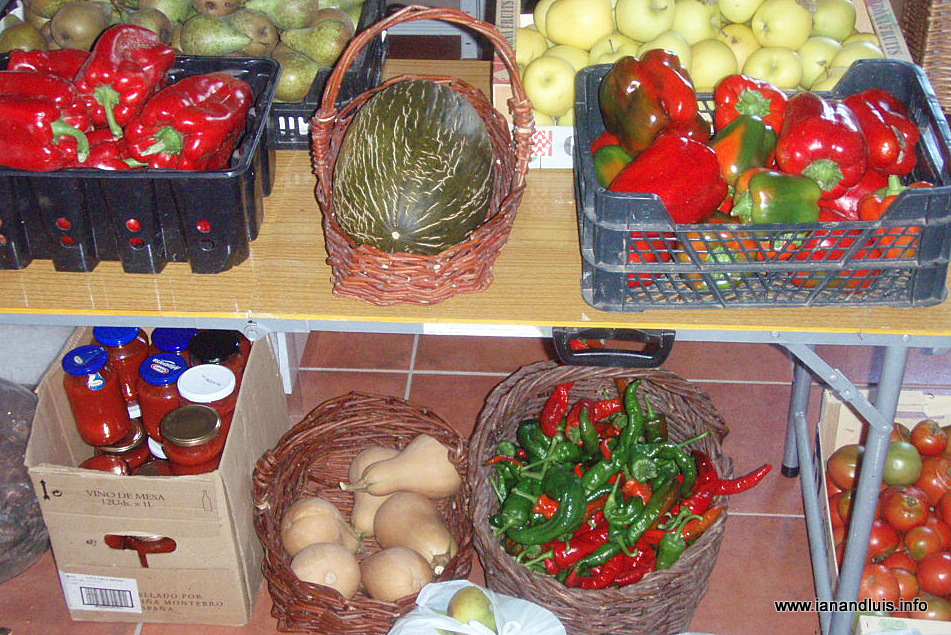
We grow enough plants to provide us with fresh pepper for use in cooking and to eat raw when in season during late Summer and early Autumn. With the glut of chilli peppers and ripe Isla peppers we bottle some and dry the remainder to use in stews, salads and cooking throughout the year.


To pickle the Isla pepper or any other red and fleshy varieties you need to fill the jars with the washed and cut pieces before filling up the jar with a pickling fluid containing 4 table spoons of vinegar and 2 table spoons of sugar per litre of water to which we add spices to taste. Making sure the peppers are fully covered, seal the jars and Bain Marie for 15 minutes. Once cool, store the jars in a cool dark larder and use over the next 12 months.


To pickle the chilli peppers: To vinegar add a few pepper corns, cloves, coriander seeds, cumin seeds, paprika and some olive oil. Bring to the boil for 5 minutes. Then scald the chillies for about 1 to 2 minutes depending on how tender they are. Drain and bottle without cooling them. Fill up the jars with 3 parts of the boiled vinegar and 1 part of boiled but cold water and cover the peppers completely and start using after 1 month in storage. No need to preserve using a Bain Marie. They can be used in cooking or eaten straight from the jar as an accompaniment with hearty soups or with salads.

Friday, December 07, 2012

Gift

No comments:
Over the past week the rain has been fairly constant and the cooler weather persists. Not being able to get out for longer walks, this weather pattern allows us to get on with a few jobs and tasks that you just don't want to do when the sun shines. I have been sorting out the stores whilst Luis has been away at the first Matanza of the season in his family home in Palencia.


Knowing only too well that he will come back with an estate car full of goods from his Sister Rita, it was important to take stock of what needed using up and also to create space for the additional produce. Sorting through our stores it once again came to mind how generous people i.e. family, friends and neighbours are.


Over the past few weeks we have been gifted:

A Christmas cake
A crate of home-produced cider
A couple of kilos of locally grown Avocados
Approx 20 Kilos of apples
A jar of rich brown sugar from France
several jars of jams and pickles
Sweet Chestnut Paste and eggs
A brand new leather jacket


In addition, Luis returned from Rita's with:

30 jars of Pasata concentrated tomato sauce)
15 jars of Pisto (concentrated tomato sauce with pumpkin, pepper, onion marrow and paprika)
5 dozen eggs
8 jars of preserved green beans
4 packs of Chorizo
8 kg of sweet oranges
4kg Quince
Cheese
8kg of frozen raspberries
an assortment of vegetables....


We could have also had as much pork, ham, salami, chorizo or pork products as we had wanted but Luis has stopped eating meat for the time being so there seemed no point in stocking up on food that we would not use. The four packs of chorizo he brought home are for friends and visitors. He decided not to participate in the actual slaughter of the two pigs this time as it is never pleasant and not eating meat he did no longer feel obliged to participate. There is always enough work to do following the deed so he was inevitably kept very busy with the processing of the animals.


Together with our own harvests of fruits, vegetables and nuts, our bulk buy products and the produce we process into jams and pickles, we have a well stocked larder and really do not need to do much shopping for the foreseeable future.


We frequently gift produce ourselves and enjoy giving family, friends and neighbours samples of our soap, hand-creams, jams, pickles etc... Our thoughts on giving can be found here on one of our other blogs. A big thank you to all.