Showing posts with label herbs. Show all posts

Tuesday, July 08, 2014

It's pickling time again... this week walnuts

4 comments:
A really good way of extending your harvests is pickling. Pickling certain fruits, nuts or vegetables means that not only can you enjoy your crop fresh, but also some months later, pickled. Walnuts are a real treat pickled or fresh and something we enjoy throughout the year if we can gather enough. This year we gathered about 4kg.


Normally, gathering enough walnuts for pickling or to eat fresh isn't a problem here as the tree grows well in Asturias, wild and abundant. Last year was a poor year and we only managed a very small harvest but 2014 looks like it's going to be a bumper year.


The key to pickling walnuts is to gather them when they are firm, plump and fresh but before the inner shell has started to form and harden. It's usually around the end of June for us when the walnuts are in their prime for pickling.

This is the recipe and method we use and adapt from year to year depending on the spices and vinegar we can source here in Asturias or that we bring over from the UK. This year's recipe is as follows:


Make brine by dissolving 225g salt in enough water to cover the walnuts. Wash the walnuts, clean and prick with a fork. Cover the walnuts in a brine solution for 2 weeks. Change the brine after one week. We wear gloves because green walnuts can seriously stain your skin.

After the two weeks, carefully drain and leave to dry. The walnuts will turn black if not already black. This is perfectly normal. Prepare the pickling solution.


Pickling Solution:

1 litre of malt vinegar
500g dark brown sugar
1 tsp all spice
1/2 tsp cinnamon
1/2 tsp cloves
1 tablespoon grated ginger

Bring the vinegar and spices to the boil and simmer for 10 minutes. Add the walnuts and take of the heat. Leave 15 minutes then decant the walnuts into clean sterilised jars and top up with the pickling vinegar. Seal and label. They will keep for about a year or until consumed. Great in salads, with cheese or savoury dishes.


We are also looking forward to wild harvests of hazelnuts, avocados, blackberries, figs and sloes....

Saturday, March 01, 2014

Time to make more hand-cream

No comments:
Hand-cream makes sense for men and women alike. It protects the integrity of the skin by moisturising and helping keep the skin elastic and flexible. The better the condition the skin, the less likely you are to get cracked and broken skin, especially around the nails and with less opportunity for infections. Good skin condition also helps small cuts and injuries to heal quicker.


With the building work, constant gardening, joinery projects and Luis' mosaic work, our hands take a battering so a good dollop of a hydrating cream helps tremendously. Made with calendula infused oil, lavender infused oil, almond oil and natural un-purified beeswax, our cream is healing and nutritive.


The recipe can be found here and is an adaptation of one or two recipes we have read about and tried. This particular cream keeps well and is relatively quick to make. It is so much better than commercial creams that are full of preservatives, colourings and refined oils and waxes.


Luis made two generous pots today which will see us through the busy Spring we have planned.


Friday, August 02, 2013

Drying and gathering herbs for infusions - What's your tipple?

4 comments:
We are making the most of the hot dry weather and gathering supplies to make a range of infusions to drink. Luis has always taken infusions but for me, there is nothing like a strong cup of coffee.


On a recent Skype consultation with Lucy Jones from the Myrobalan Clinic, part of the advice offered was to drastically reduce my caffeine intake as she felt it was partly to blame for a range of minor health problems I had been experiencing. Since reducing my coffee and switching to herbal infusions, and increasing my hydration generally, most of my symptoms have subsided and I am feeling much better.


Whilst the growing season is in full swing we are gathering and drying: Lemon Verbena, Lemon Balm, Mint and Chamomile. These will be stored in air-tight jars and will last us most of the year.


There is a problem with our chamomile though - by itself it has a really bitter after taste. We were sure it was the German Chamomile and not the English which can be bitter. I will probably source another plant when I am next in the UK just in case.


We also use rosemary, wild fennel, green and black tea, sage and dried liquorice. We have started blending our own infusions and making note of combinations that taste refreshing, warming or restorative as required.


In addition, we are growing for the first time, Stevia to dry and use as a sweetener. We managed to buy a small plant in Oviedo and up to now we are pleased with the results. We rarely use refined sugar and normally use honey sourced from a vet who keeps bees. We pay around €5 per kilo and order 30 kilos a year for home use. Introducing Stevia will help reduce the calorie intake a little.

Stevia

I have read about adding spices such as cinnamon, cloves, nutmeg or cayenne so I will be experimenting with these in the coming months.


What's your tipple?

Do you drink infusions?

If so, what do you recommend? I'm sure we have lots more usable plants and herbs in the garden but we are a bit unsure what to try...Suggestions?

Coffee breaks have been replaced with tea-breaks, cake or biscuits replaced with foraged nuts, what could be better than iced tea on a summer's afternoon...


By the way, if you are looking for a consultation with a Registered Medical Herbalist, I can recommend Lucy Jones who I found to be really thorough, helpful and insightful. Myrobalan Clinic

Wednesday, June 05, 2013

Fruit and vegetables we are growing this summer/autumn

2 comments:
It's been a cold start to the growing season with an exceptionally high rainfall and much cooler temperatures than normal for Asturias. Most seedlings and young plants are behind by a few weeks and we are hoping that now the warmer days are upon us, things will have a growth spurt.

2012

We run a crop rotation system and try to ensure that all the beds are given fresh nutrition from home-made compost. Most of our seedlings are started off in pots, seed trays or half pipes; this ensures we can give them the best start possible and protect them from slugs, disease and adverse weather conditions.

2012
So here we are, this is what is currently growing at La Pasera:

Cultivated Fruit: red currant, black currant, gooseberry, rhubarb, blueberry, raspberry, pear, apple, plum, peach, orange.

Wild fruit: piesco (wild peach), hazelnut, walnut.


Vegetables: potato, pea, mangetout, sugar-snap peas, fennel, chili and salad pepper, flower sprouts, cucumber, squash, marrow/courgette, lettuce (3 types), succession of beetroot, tomato, beans (2 types), red and white onions (400), kohlrabi, succession of carrots, butternut squash, spring onions...

Flower sprouts and tomatoes (under plastic)

Herbs: sage, dill, oregano, thyme, chive, mint, borage, comfrey, parsley, coriander, basil

and for later on in the season: cabbage, cauliflower, leeks, aubergine, broccoli, winter lettuce, swede, celeriac...


The good news is that most of the seedlings are now planted, protected and positioned to perform their best given good weather and appropriate attention. We will feed some crops with nettle juice and spray mildew prone plants with horsetail water. Insects will be kept at bay through symptomatic spaying with rhubarb leaf water or squishing by hand....ewe. Details of natural insecticide and fungicide here.

The slugs and the snails are on a late, hungry start this year also so we have added extra protection around young vulnerable plants by creating barriers of wood ash, broken eggshells or sheep fleece pellets.


The various pea crops are growing well but the Jays are enjoying early morning snacks and ruining the fattest pea pods. The scarecrow didn't seem to deter them but it took the cats two whole days before they approached it or dared to walk past it. They still give it suspicious looks when on their way to the bottom meadow.


Saturday, June 01, 2013

Making infused oil for hand cream

No comments:

If you follow Tales from Toriello you will probably know that we have started to make our own soaps and hand-cream. One of the most important ingredients we use is oil infused with aromatic and healing herbs and plants which we grow in our garden. We make our own using almond oil or olive oil, calendula, lavender and comfrey.


We are due to make more hand/skin cream in the near future (original post here). This time we are making calendula with almond oil and comfrey with olive oil. The petals of the calendula and the dry comfrey leaves are added to the oil and left to infuse in a sunny position for about 3 weeks.


This time we might go for a double infusion by replacing the petals and leaves with a second batch and infuse once more in the same oil.


The cream (lavender and calendula) is really useful and healing. It is great for dry skin such as dry hands after gardening or for elbows and heels etc. It can be applied before dirty jobs such as gardening or mechanics, helping to protect the skin; making hand and nail washing easier. Recently we got some great feedback from a friend who has been applying the cream to inflamed eczema. For the first time in many months, the skin is hydrated, less inflamed and much less itchy.

Comfrey

From personal experience, last month I accidentally rested the palm of my hand on the hot ceramic hob. After cooling the burn I dressed my hand with the cream and a bandage, and kept renewing this every six hours. It didn't blister and healed completely after growing new skin under the burn. It hurt like hell though for two days...

Lavender - still to flower

This time we will make calendula and comfrey both of which are renowned for their healing and restorative properties. 

Friday, February 08, 2013

Designing a herb garden

4 comments:
Herbs are an important part of our food here at La Pasera so when we were planning the garden we decided to try and build a functional herb garden close to the house so that they could be harvested and used fresh.


The main herbs we use are: Lemon verbena, thymes, sages, mints, lemon balm, chamomile, chives and oregano, all of which were ideal plants for siting at the front of the house and with in easy reach of the kitchen. We also grow many others but experience has shown they grown better elsewhere: coriander, parsley, basil, dill and rosemary.


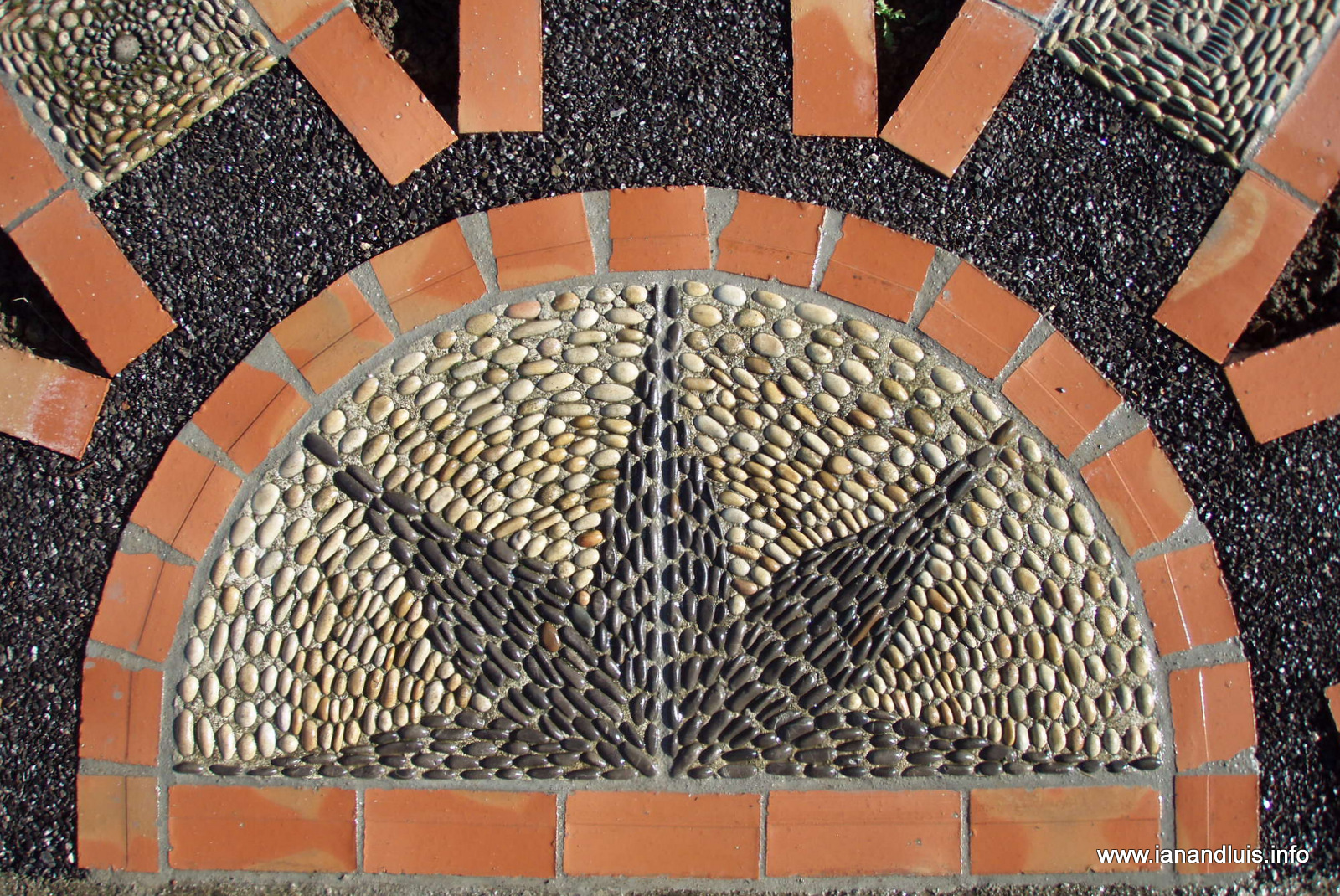
As you all know Luis makes some wonderful mosaics and over the past few years we have amassed a good collection of 30 sq cm mosaics which are ideal for stepping stones. Together with a semi-circle sun, we came up with this design for the herb garden. It allows us easy access to the different beds and also gives access to one of the garden taps which also has a small mosaic terrace featuring dragonflies.


The herb garden also has two rhubarb plants, two young peach trees and at the moment a couple of misplaced fuchsias which are still there from when we used the bed as a nursery bed when we first moved here. The herb garden will be re-planted and plants will be moved once the rain ceases. We will also allow a few marigolds to grow as we use the petals infused in oil for various creams and potions.


Tuesday, December 11, 2012

Winter beckons at La Pasera

No comments:
Winter is fast approaching and the beautiful autumnal colour is falling from the trees. The slightest of breezes stir the drying leaves and sees them drift slowly to the ground below. The mornings are cold with a slight ground frost in exposed areas but luckily we rarely reach below freezing so most of our plants survive without protection.

Even at this time of year there are jobs to be done around the garden and the bright sunny days make it such a pleasure to get wrapped up and take a leisurely stroll around assessing what needs to be done and how urgent it is.


One job that is always very rewarding is collecting the masses of leaves that fall. We store these in two large bins and let them rot down naturally into glorious leaf mold for use next year. Fortunately for us, we had too many this year for the bins and had to resort to my Mother's tried and tested method of putting them in a black bin liner punctured with holes. This works well and is a great way of getting a bit of extra rich compost if you only have a few leaves to collect. Once ours are rotted down a little we will add the bin bags contents to the bins.


The pond, minus fish, needs clearing of leaves most days otherwise it causes excess debris and encourages algae next year. The Gunnera plant is one of the few plants we protect during winter as we are worried that its fleshy crown will rot if frost does set in for any length of time. We normally cover the crown and new growth with old dried Gunnera leaves, this works well. We have also reduced the crown this year as it was getting far too big for the pond area.


Elsewhere in the garden, the carrots, leeks, celeriac, swede, beetroot, lettuce, second crop fennel and brocolli are producing well and it is always a pleasure to wander round with a sharp knife and basket harvesting fresh vegetables and herbs for the day's meals.


The birds are very active in the garden stripping the bushes, grasses and trees of berries, insects and seeds. The highlights this week have been Firecrests, Green Woodpeckers, Heron (arghhh!!!) and the very tame and friendly Robins.


Further afield, these bright cold days are perfect walking weather and it is really invigorating to meander around the country lanes and cliff paths then settle down in front of a lovely log fire.


Sunday, September 02, 2012

Growing Basil and making Basil Pesto

1 comment:
There is no headier scent than that of freshly picked Basil. Having grown several varieties over the years we always seem to favour Sweet Genovese. This broad leafed and bushy basil does well here and despite a dodgy start, it has done wonderfully well this year and we have plenty to use on a whole array of dishes.


We will use the smaller, sweeter leaves chopped on fresh ripe tomatoes with thinly sliced garlic, rock salt and a grinding or two of black pepper. Alternatively we will use the smaller tender leaves in a mixed green salad but it can over-power other flavours if used in excess. We use a lot of herbs in our cooking and shredded basil is used in many of our vegetable, bean and chickpea recipes along with fresh oregano and thyme, a touch of sage and mint or fennel leaves for that wonderful rich and flavoursome Mediterranean meets north African flavour.

One use for basil that we have always wanted to try is fresh Basil Pesto. I can smell it now as I remember those simple Italian pastas and spaghetti we used to eat on pavement terraced restaurants in Rome on warm and balmy summer evenings, served with fresh bread and a glass of red, nothing better.

This year we have grown enough for several summer evenings.

Here's what we did:

Fresh Basil Pesto

100g fresh washed basil
2 garlic cloves
50g of toasted hazelnuts (or pine nuts)
180 ml of olive oil
60g Parmesan cheese
Squeeze of lemon juice
Salt and Pepper

Pop the hole lot into a food processor and blitz until you reach the required consistency. Add a touch more oil and stir.

It will keep in a jar in the fridge for up to two weeks and preserve well if topped up with oil to exclude the air from oxidising the basil.


So far we have had it with Tallarin (pasta), spread thinly on roasted slices of aubergine, with cheese and onion toasties and as an ingredient with stuffed marrow. My favourite though has got to be with plain and simple pasta. Couple of spoonfuls, knob of butter, splash of olive oil, black pepper mixed into freshly boiled pasta, served with tomato and garlic salad, fresh crusty bread and a glass of wine. Who needs Rome?