Showing posts with label Pond. Show all posts

Tuesday, December 11, 2012

Winter beckons at La Pasera

No comments:
Winter is fast approaching and the beautiful autumnal colour is falling from the trees. The slightest of breezes stir the drying leaves and sees them drift slowly to the ground below. The mornings are cold with a slight ground frost in exposed areas but luckily we rarely reach below freezing so most of our plants survive without protection.

Even at this time of year there are jobs to be done around the garden and the bright sunny days make it such a pleasure to get wrapped up and take a leisurely stroll around assessing what needs to be done and how urgent it is.


One job that is always very rewarding is collecting the masses of leaves that fall. We store these in two large bins and let them rot down naturally into glorious leaf mold for use next year. Fortunately for us, we had too many this year for the bins and had to resort to my Mother's tried and tested method of putting them in a black bin liner punctured with holes. This works well and is a great way of getting a bit of extra rich compost if you only have a few leaves to collect. Once ours are rotted down a little we will add the bin bags contents to the bins.


The pond, minus fish, needs clearing of leaves most days otherwise it causes excess debris and encourages algae next year. The Gunnera plant is one of the few plants we protect during winter as we are worried that its fleshy crown will rot if frost does set in for any length of time. We normally cover the crown and new growth with old dried Gunnera leaves, this works well. We have also reduced the crown this year as it was getting far too big for the pond area.


Elsewhere in the garden, the carrots, leeks, celeriac, swede, beetroot, lettuce, second crop fennel and brocolli are producing well and it is always a pleasure to wander round with a sharp knife and basket harvesting fresh vegetables and herbs for the day's meals.


The birds are very active in the garden stripping the bushes, grasses and trees of berries, insects and seeds. The highlights this week have been Firecrests, Green Woodpeckers, Heron (arghhh!!!) and the very tame and friendly Robins.


Further afield, these bright cold days are perfect walking weather and it is really invigorating to meander around the country lanes and cliff paths then settle down in front of a lovely log fire.


Saturday, November 24, 2012

Gone Fishing

No comments:
A couple of years ago when we constructed the pond we bought four fish to bring some life and colour to it. We were always aware that with many Herons in the area, our small pond was a potential target for a quick snack. Up to now, our fish had been successful and multiplied in number. So many fish that we gave several away to stock the pond at El Paraiso del Burro. 

Now we have none.


One day last week I went to feed the fish and only one surfaced. The pond appeared lifeless. The very next day I saw a large Heron standing at the side of the pond scouring the water for more food. It flew off but we knew it had likely taken all of the fish. Gawber appeared from underneath a large Gunnera leaf and looked longingly as this enormous bird took flight.


At this time of year we normally cover the pond with a net to prevent leaves and such from falling into it and causing unnecessary decaying debris but it proved too late for the fish.


I doubt we will get more fish and we live in hope that one or two young fry have survived in the depths of an upturned crate that lies in the pond to house the solar fountain and that hopefully serves its purpose: to prevent young fish from being devoured.


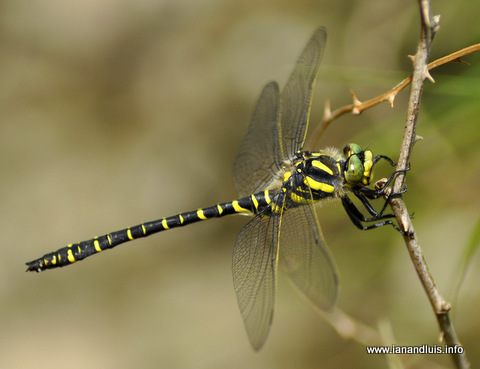
The pond does seem a little lifeless without the fish but the beautiful dragonflies and damselflies are still around to entertain us with their acrobatic skills. Also there are many toads, lizards and frogs, water skaters, water snails and small mammals still using the pond to drink, feed and breed so still lots to see if you look carefully.


The heron has returned several times since but Gawber has now plucked up the courage to pounce and chase it off. So far the heron has proved too wily and spots him in good time. The same with me and the camera, not brilliant shots but you get the idea, just look at the wingspan, a magnificent bird but one that we could have lived without.

Sunday, June 24, 2012

Insects in the garden

2 comments:

Insects are an important element in a healthy garden and play a crucial role in keeping the eco-system in balance here at La Pasera. OK there are some we would rather do without and discourage but on the whole things seem to be in balance so we must be doing something right. Not using chemicals must surely help the diversity of insect life we see.


The numerous visiting bees are wonderful and play such a crucial role in pollination. It is worrying to constantly here reports of their decline through pesticides and parasites. We have a pyracanthus bush which attracts hundreds of bees a day which in turn pollinate our fruit, vegetables and flowers. Other garden flowers serve as magnets for pollen collectors and pollinators.


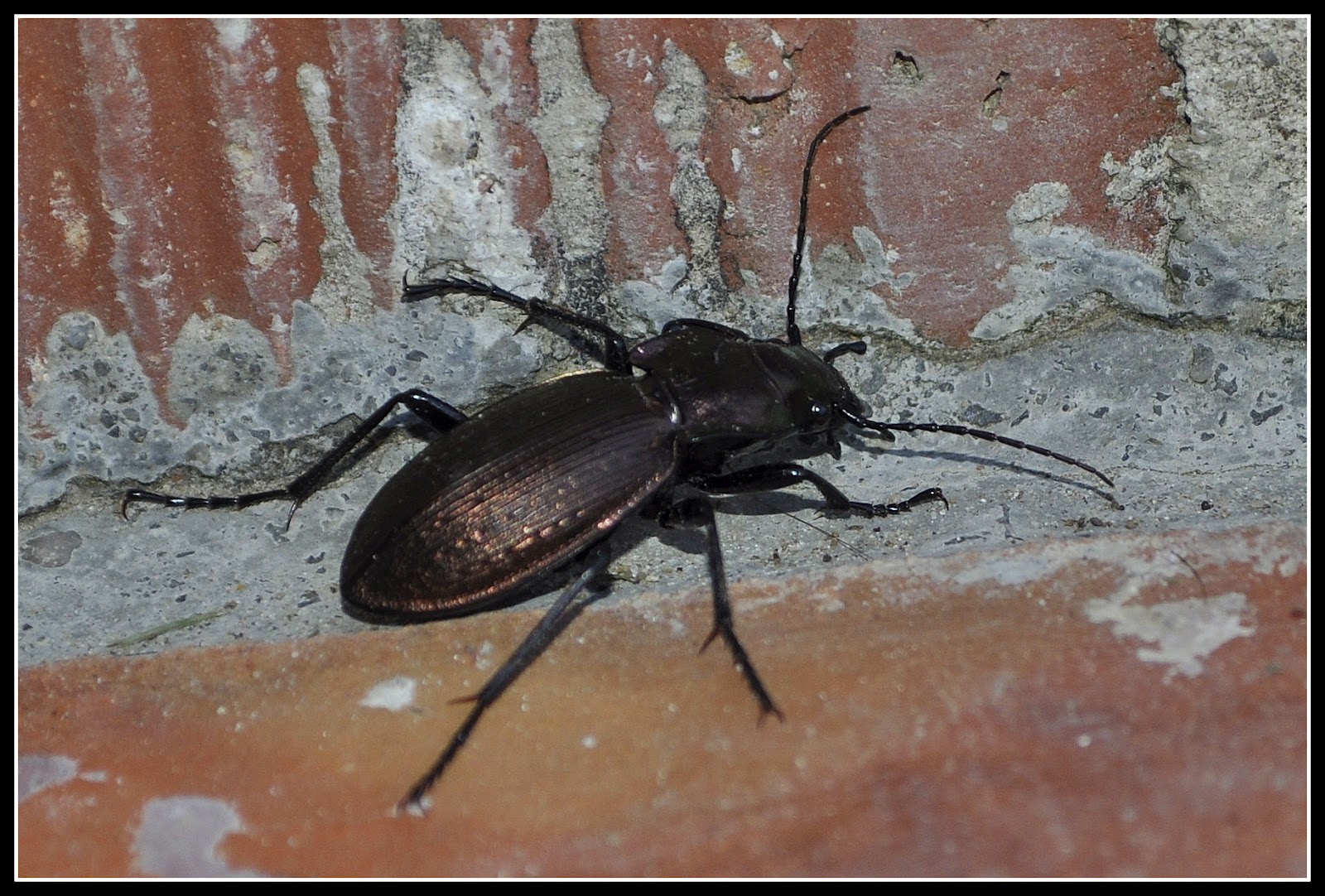
We have some magnificent beetles around the place. Stag Beetles fly at dusk, whirring their way like miniature helicopters eventually coming into land and carefully avoiding two curious cats. Ladybirds, leaf, click and longhorn beetles fascinate as they make their way across vast distances, only to disappear into underground burrows or take flight in their search for food.


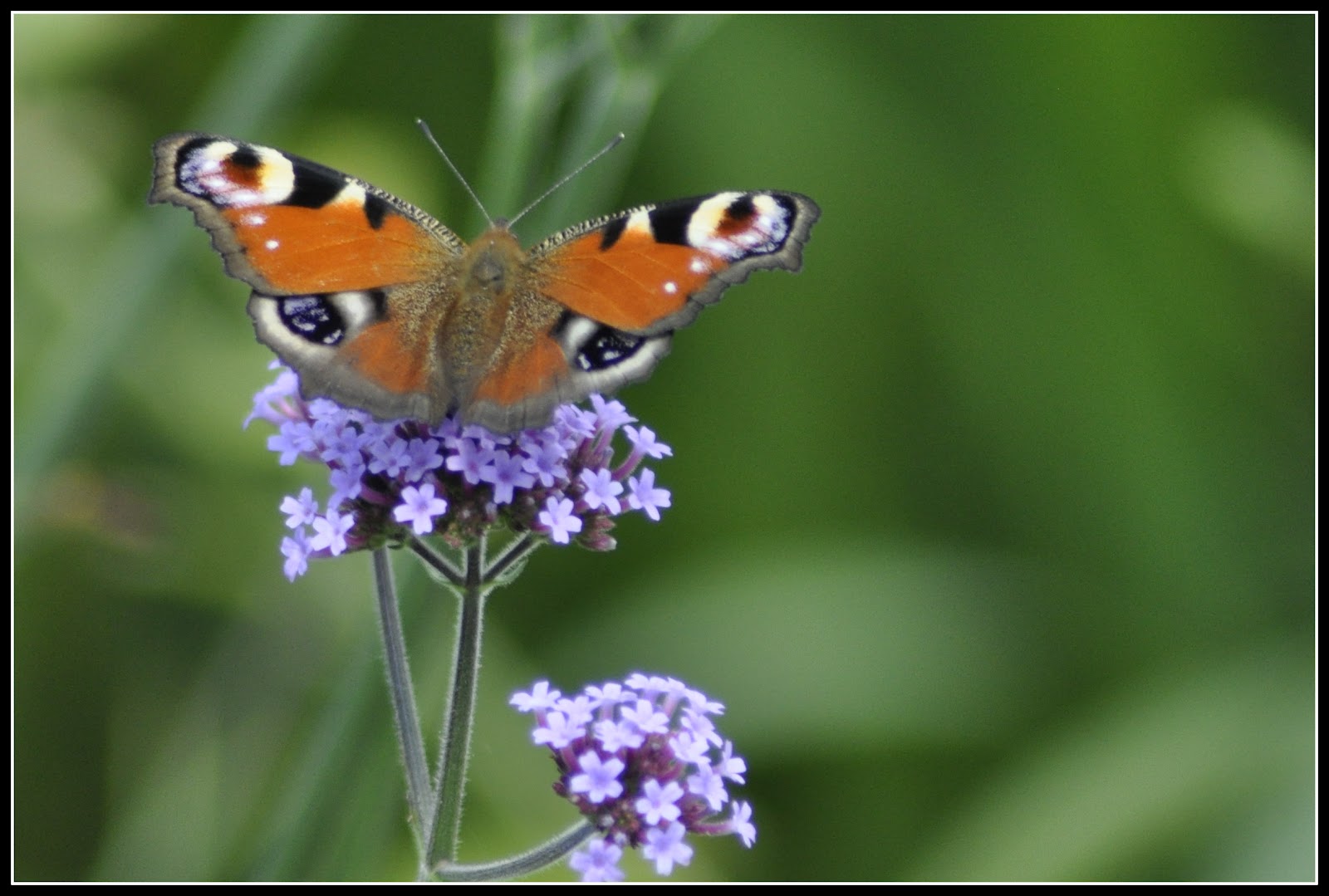
Butterflies and moths are a constant source of wonder with their camouflaged patterns or brightly coloured displays but they are so difficult to photograph clearly as they soon spook and take flight.


The pond and bog garden are havens for the wildlife and especially for insects. Spiders, water skaters, water beetles, dragonflies and damselflies are regularly seen going about their business, feeding, laying eggs or scavenging.


In the garden and the vegetable beds we occasionally get infestations of black-fly and aphids but it is great to see increasing numbers of ladybirds about this year which will help reduce their numbers. The birds have been very active feeding their young grubs and caterpillars, spiders and moths. The cycle of life is all around us.


The woodlice and other scavengers have been busily recycling our green waste and leaves, helped by the worms and beetles. Helping us to produce heaps of nutritious crumbly compost for the garden and rich peaty leaf mould that goes into our home made potting compost. Elsewhere, stick insects, glow worms, ground bugs, flies, crickets, grasshoppers and hundreds of other insects inhabit every conceivable nook and cranny.


With over 1 million different kinds of insect documented on planet Earth, you will never be short of something new to seek out and observe. Why not make a start in your own garden, you might be surprised with what you will find.


Tuesday, November 01, 2011

Preparing the garden and vegetable plot for winter

2 comments:
At this time of year there is always lots to do around La Pasera. The garden needs close attention in relation to cutting back shrubs and plants that are out-growing their space, plants need moving and weeds need weeding out. Each year we make a note of what needs moving due to the wrong growing conditions, lack of space or wrong position. There aren't many plants that need moving but inevitably one or two need attention in the coming weeks. In addition, it is an opportunity to refresh and stimulate new growth next season. Never be afraid to cut back hard, more often than not it works well and results in luscious growth in the spring and early summer.

The extensive cutting back gives us lots of organic material which is of course, composted for future use as a soil conditioner and nutrient. This is an important resource for us especially now as out neighbour farmer is no longer keeping dairy cattle (due to new EU laws....) and therefore our regular supply of manure has dried up! Thanks Brussels.


The pond has needed some attention this year due to the vigorous growth of water-lily and oxygenating plants. After removing some of the plant growth, leave around the edges of the pond to give any inhabitants such as water snails and beetles an opportunity to find the water again. In the next few days we will secure a net over the pond to prevent an excess of leaves getting into the pond as the trees shed in the next few weeks. An excess of organic matter can make the pond murky and promote algae growth.

Earlier on in the season we sank a small bundle of barley straw into the water as the water became very green but remained healthy. The barley straw releases a small amount of hydrogen peroxide as it breaks down thus killing of the algae. Harmless to the pond life, it seems to have worked.


Starting out with only four fish, they appear to be at home in their environment as we now have about 20, that is after giving the Donkey Sanctuary 6-8 for their pond - apparently, Marleen has mentioned that they too have numerous new offspring swimming around.

The vegetable beds are worked on a rotation system and it is always good when one bed can be cleared completely and dug over. One bed has been dug and green manure (Oats) have been sown and is already showing through. This will be dug in during late winter prior to planting up with spring vegetables.


Wednesday, May 18, 2011

Great Tits nesting in the garden

2 comments:
Birds in the garden are always a joy to see. La Pasera is surrounded by lush vegetation in the form of fields, pasture land, woodlands and coastal plains, giving the local bird-life a range of habitats on which to feed, roost and nest. One element that is in short supply locally is a reliable, fresh water supply.

Since we installed the wildlife pond and three shallow birdbaths we have seen the number of garden visitors increase dramatically. At the end of last year we made a bird box from old scraps of wood and attached it high up on the trunk of the old cherry tree in the hope that birds would nest. Some weeks ago we noticed several birds exploring the box and we hoped that one of them would decide that it was a safe and secure nesting site.


This past week or so we observed Great Tits franticly flying to and fro desperate to keep their newly hatched chicks fed. They bring a never ending supply of large green juicy caterpillars, grubs and an assortment of flies and insects, consumed by the hungry chicks in seconds, the exhausted parents fly off again to seek more food for their young.

Not wishing to get too close (and bring the nest box to the attention of Gawber the cat), I managed to get a few shots of the male / female in full action. I think they must be near to being fully fledged and hopefully, the surrounding trees and bushes will provide the young birds with plenty of cover once they leave the nest....dangerous times.


This next picture is a female Blackbird having a well-deserved bath in one of the birdbaths we have in the garden. This particular birdbath was spotted by Luis when we were out on a walk once. Washed down from a hillside following a mud slide, it is sandstone and has a natural smooth and curved hollow. He carried it for 5 Km or so back to the car, a hard and heavy task but well worth his effort.


We'll definitely build more nest boxes this year and both enjoy and value what they bring to La Pasera.

Tuesday, August 17, 2010

New Life

No comments:
The simple pleasures of living in Asturias include the opportunity to witness acts of nature that otherwise our busy lives would not allow us to share. The pond has become a haven for wildlife and the biodiversity of the area has increased dramatically over recent months. Late last summer we introduced 4 fish to the pond in the hope of controlling larvae of mosquito (should they take up residence in the water). One fish disappeared - probably died or eaten by dragonfly nymph. Much to our surprise we now have at least 15 baby fish (although very hard to count) and three adults. We hope to relocate at least some of them to a much larger pond up at El Paraiso del Burro later in the summer when they have grown.


Another surprise was the discovery of lizard eggs - tucked away in the gravel under one of Luis' mosaics. We have come across similar eggs before in soil but never in a 'nest' type setting in gravel. They are the size of mint imperials but slightly elongated/oval in shape. We carefully place the mosaic back in position and disturbed it as little as possible. On the couple of occasions we lifted it to check on progress we were fortunate to see one of the little critters emerging and then some time later the same (we like to think so) little lizard making its way into the big wide world.....we called her Elizabeth (only joking honest).


Click on picture to enlarge your view:


This young Buzzard has been screeching and calling for its parents for a couple of weeks now - it is flying low around the neighbouring fields and perching on trees and fence posts. Not the best picture but the nearest I can get to this nervous, young bird. It is learning to hunt and gaining its independence from its parents who are no doubt near at hand.

Wednesday, June 09, 2010

Nymphs and Nibbles

No comments:


The pond attracted a lot of interest from dragonflys last year. We witnessed many dragonflys depositing eggs in the water whilst perching from a rock or plant. This week we have just witnessed the aquatic water nymph of the dragonfly emerge from the water and metamorphose into the most beautiful flying creature. I took the opportunity to try our a bit of macro photography and fairly pleased with the result. If you zoom in on the picture you can see much more detail - give it a go...they really are beautiful.


The empty shell underneath the dragonfly is the outer skin/membrane of the nymph that it has emerged from. It is a good time to photograph them as they need to dry their wings and gain warmth in the morning sun before flying away into the distance.

The vegetable garden is looking good with great crops of mange tout, peas and salad. The peas however, are under attack from the mice....Wentworth and Gawber please note.

Tomatoes protected from the sea mists.

Saturday, June 05, 2010

Gunnera Spectacular

No comments:

The Gunnera has come into its own this year with magnificent 1m wide leaves and alien-like flowers up to 40cm long. Sited in the bog garden, it has taken a couple of years to become established and although it suffers sometimes in the heat of the midday sun, generally it copes well and likes the lush warm climate. Protected in winter, by covering the crown with its dried leaves, it has resisted the small amount of frost we have here on the coast. It provides shelter from the sun for the cats and it has recently become home to another bright green lizard.