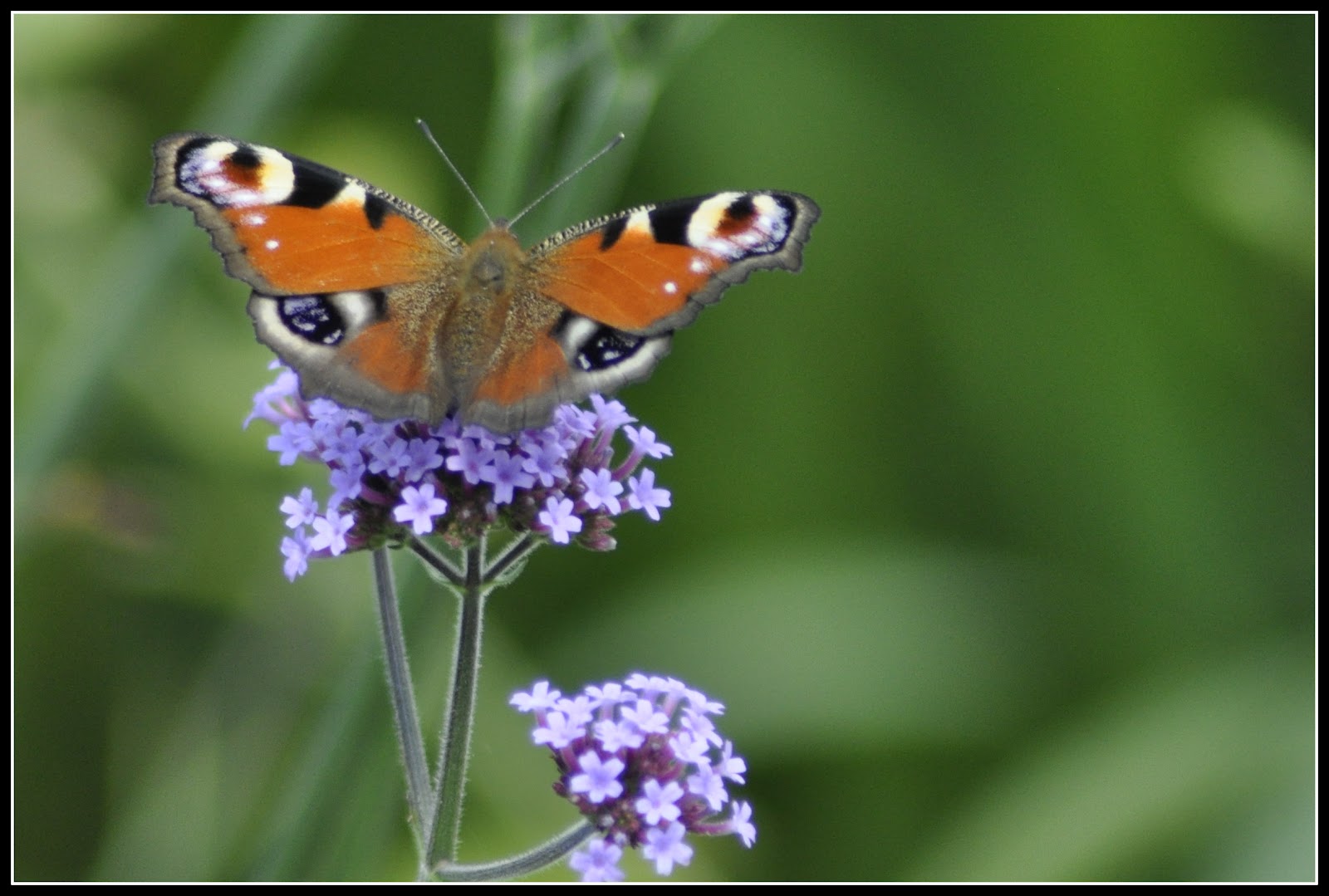
The numerous visiting bees are wonderful and play such a crucial role in pollination. It is worrying to constantly here reports of their decline through pesticides and parasites. We have a pyracanthus bush which attracts hundreds of bees a day which in turn pollinate our fruit, vegetables and flowers. Other garden flowers serve as magnets for pollen collectors and pollinators.

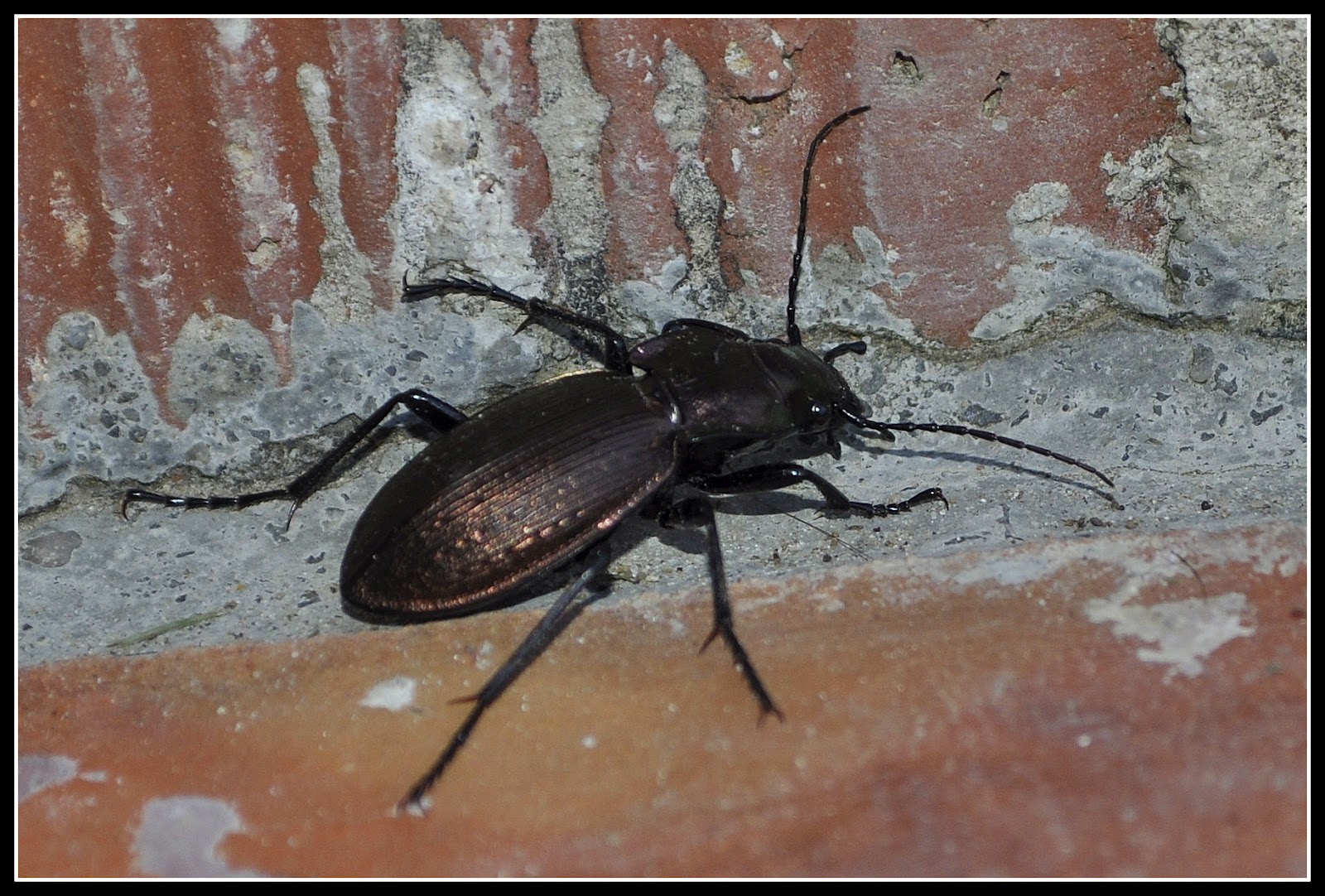
We have some magnificent beetles around the place. Stag Beetles fly at dusk, whirring their way like miniature helicopters eventually coming into land and carefully avoiding two curious cats. Ladybirds, leaf, click and longhorn beetles fascinate as they make their way across vast distances, only to disappear into underground burrows or take flight in their search for food.

The pond and bog garden are havens for the wildlife and especially for insects. Spiders, water skaters, water beetles, dragonflies and damselflies are regularly seen going about their business, feeding, laying eggs or scavenging.


In the garden and the vegetable beds we occasionally get infestations of black-fly and aphids but it is great to see increasing numbers of ladybirds about this year which will help reduce their numbers. The birds have been very active feeding their young grubs and caterpillars, spiders and moths. The cycle of life is all around us.


The woodlice and other scavengers have been busily recycling our green waste and leaves, helped by the worms and beetles. Helping us to produce heaps of nutritious crumbly compost for the garden and rich peaty leaf mould that goes into our home made potting compost. Elsewhere, stick insects, glow worms, ground bugs, flies, crickets, grasshoppers and hundreds of other insects inhabit every conceivable nook and cranny.


With over 1 million different kinds of insect documented on planet Earth, you will never be short of something new to seek out and observe. Why not make a start in your own garden, you might be surprised with what you will find.